
RYZE Perfect Conditions & A Whole World
One campaign,
two creative worlds.
One RYZE campaign took two creative directions, Perfect Conditions and A Whole World. Both tie imagery led by the ingredients to the daily ritual of coffee. Talent-led scenes, enlarged models of mushrooms and practical environments carry the films back and forth between the familiar and the extraordinary. Mike Irving directed both, with FS MEDIA producing.
From the client
“Working with FS MEDIA has been an incredible experience from day one! The team is not only fun and easy to collaborate with, but they're also incredibly responsive and in tune with our needs. They go the extra mile to ensure we're aligned every step of the way, and their genuine attention to detail shines through each project we work on together. We'd highly recommend them to anyone looking to take their production to the next level!”
Andrée WernerCo-Founder, RYZE
Creative development
Two films, two visual languages.
Perfect Conditions: a forest treated as a stage
A contrast sits at the start of the original pitch. Mushrooms will grow only when conditions are exactly right, whereas people have to take each day as it comes. The forest was treated as a stage in miniature, lit by dappled sun in place of a spotlight. Dark wood and cooler greens were planned to pull the warm textures of the mushrooms away from the background. Shallow focus, with restrained booms and pushes, was meant to make that world feel deliberate, close to precious.
The decision that mattered most was to run the film on two sets of rules, letting the edit bring out the difference. A smash cut made of stirring, pouring and scooping, all shot to feel visceral, takes the viewer from the controlled forest into handheld coverage that is fluid and intimate: a commute, a workout, a social get-together. The forest holds still and stays composed. Everyday life is in motion, and the camera goes along with it.
The same reasoning guided the casting and the choice of spaces. In place of glossy models, the treatment wanted people who were likeable, charismatic and familiar, and it relied on small reactions and glances in close-up to carry the emotion. Homes had to look lived in: toys the kids had left out, a sweater hung over a chair, a kitchen not quite cleared in the morning. A routine becomes believable through that warmth and that small amount of ordinary mess.
From the pitch
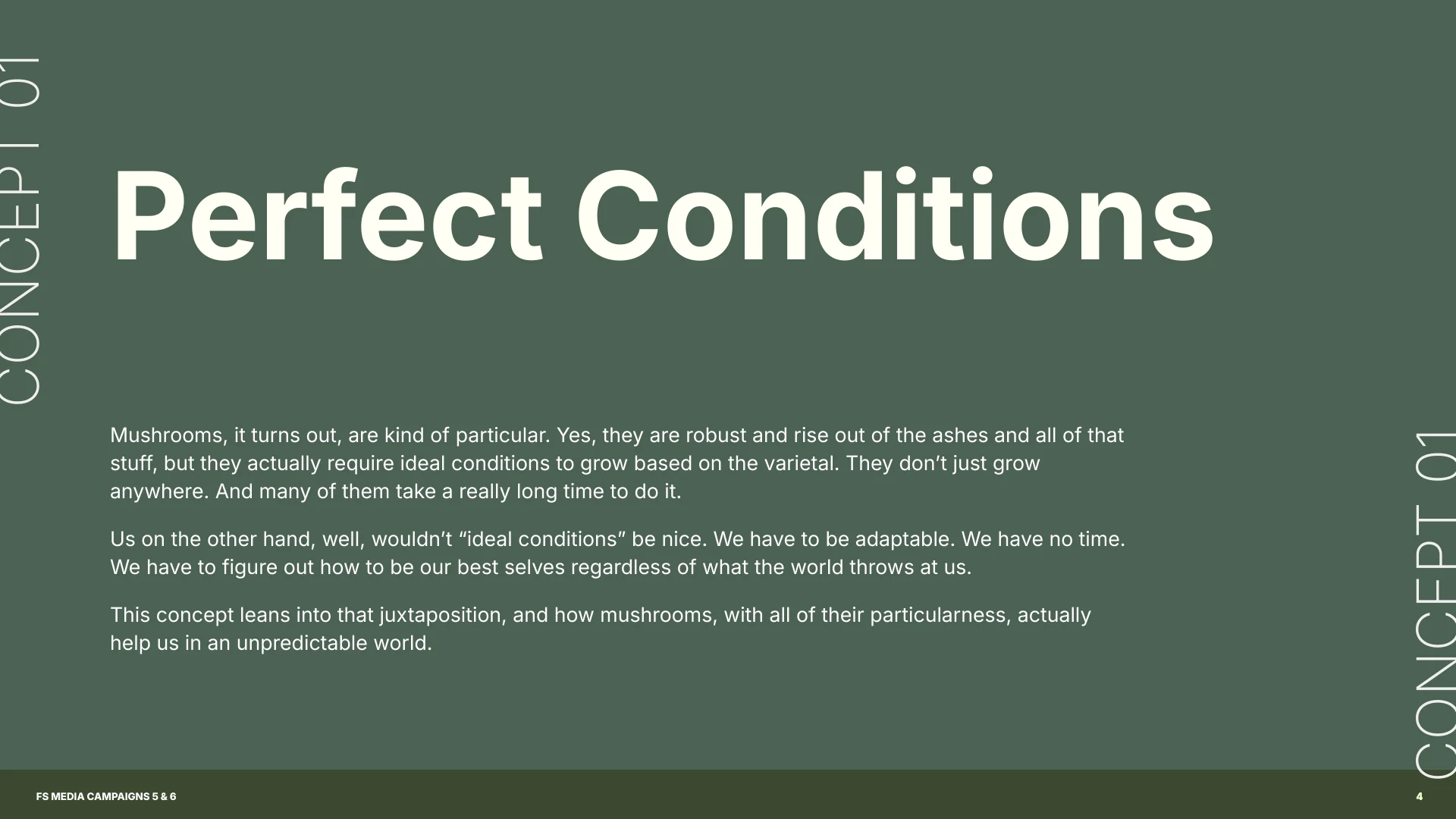
Perfect Conditions treatment. Concept page.
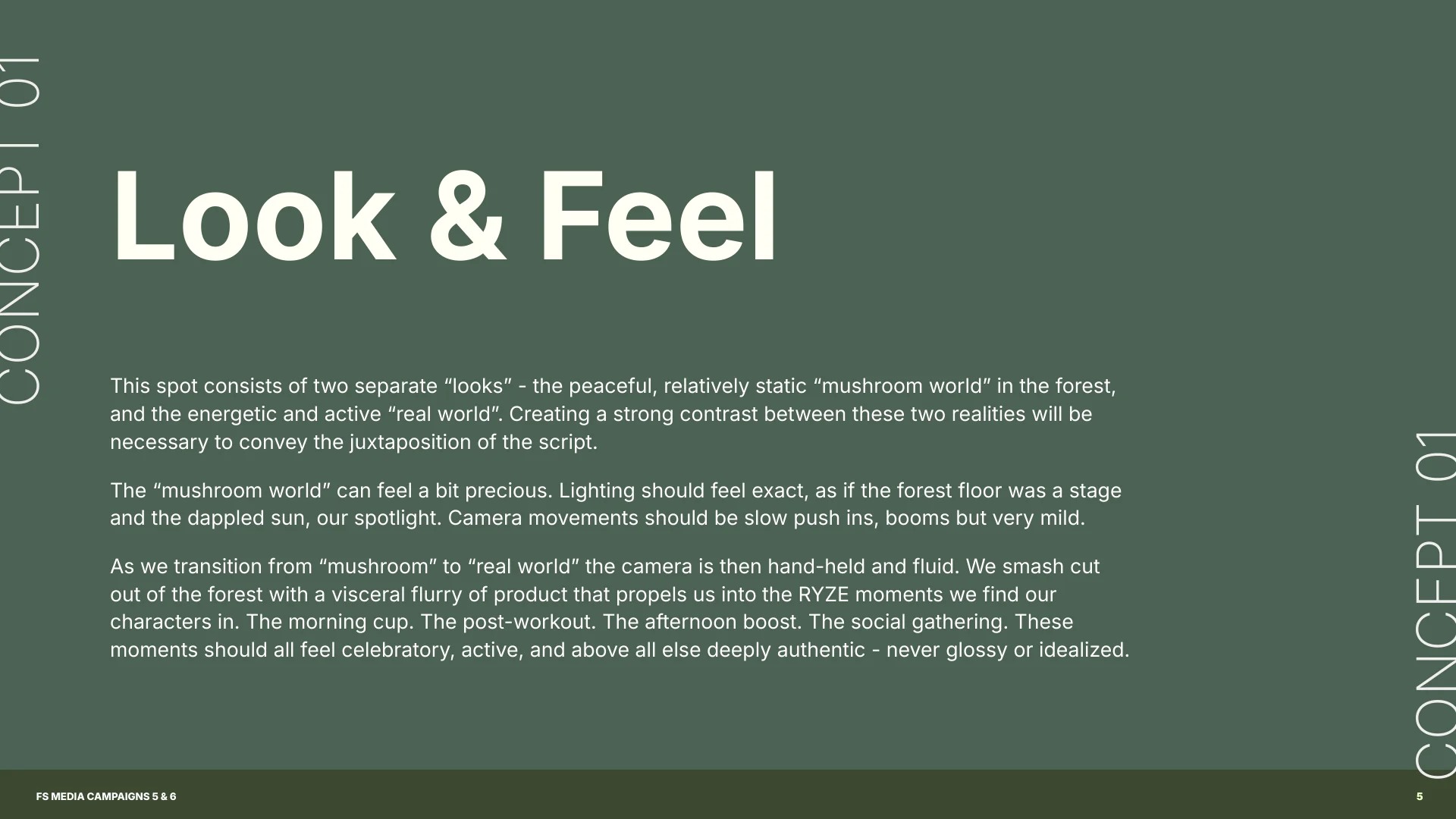
Perfect Conditions treatment. Look and feel page.
A Whole World: an ingredient at the scale of a landscape
Scale is the subject of the second pitch. Seen in extreme detail, a mushroom first looks like a landscape, with lion's mane forming a canopy, the ridges of shiitake turning into terrain and reishi rising like cliffs in sunlight. Depth of field, atmosphere and light were planned to keep that illusion alive until a shot gives away a bit more of its context. Warm earth tones were chosen to link the human scenes and the world of the ingredients to the brand.
Structurally, the film reveals its true scale by degrees. After the mushroom landscapes comes a spoon lifting out of the RYZE bag, framed so that it looks larger than life. Steam, water, a stir and a first sip follow, and each one supplies more context, until a wider shot finally shows a person in their surroundings. The creative follows a single unbroken path from the ingredient to the daily ritual and avoids becoming a string of unrelated beauty shots. Boards, art direction and the production plan all grew out of these ideas in the treatment.
From the pitch
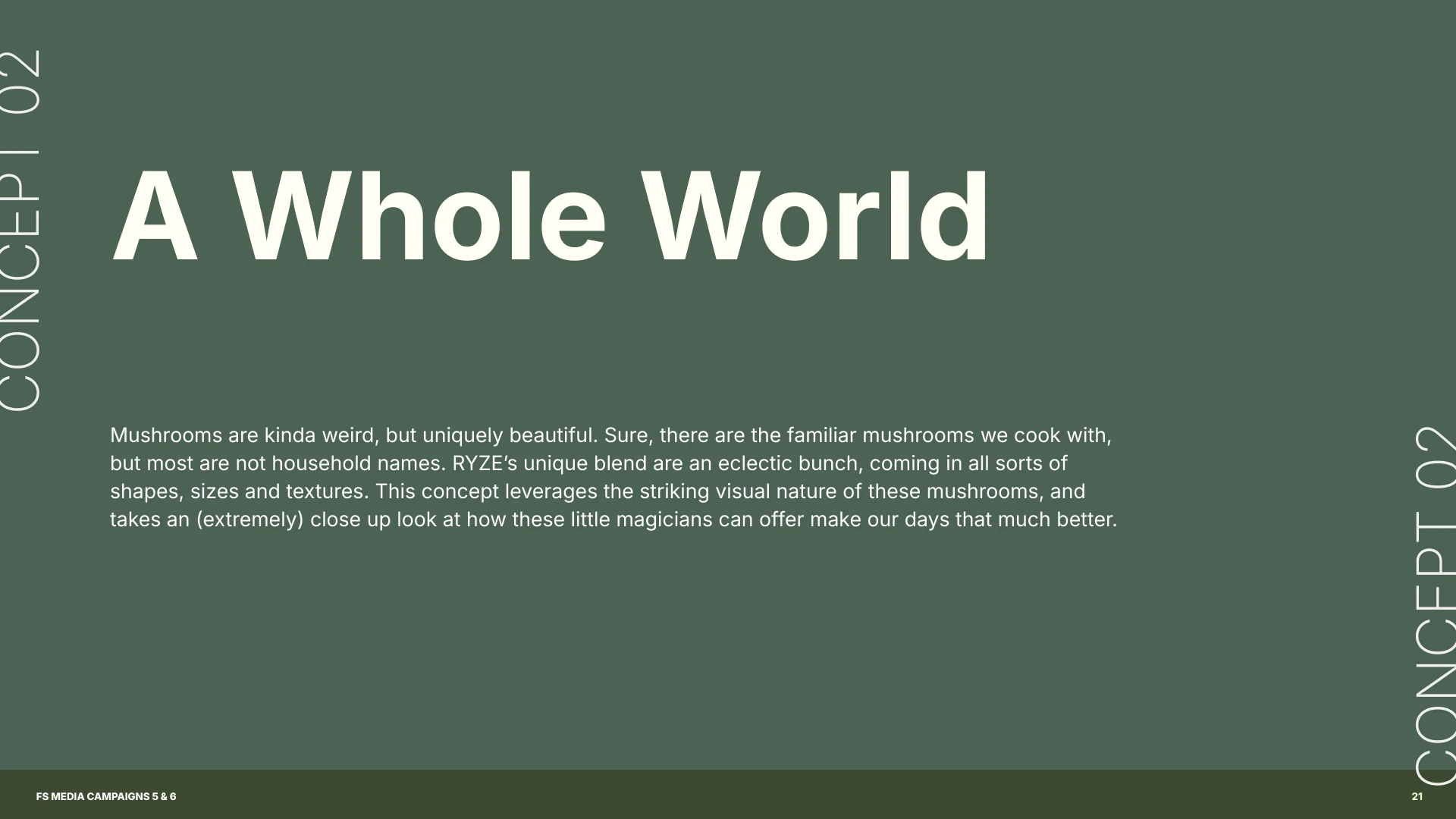
A Whole World treatment. Concept page.
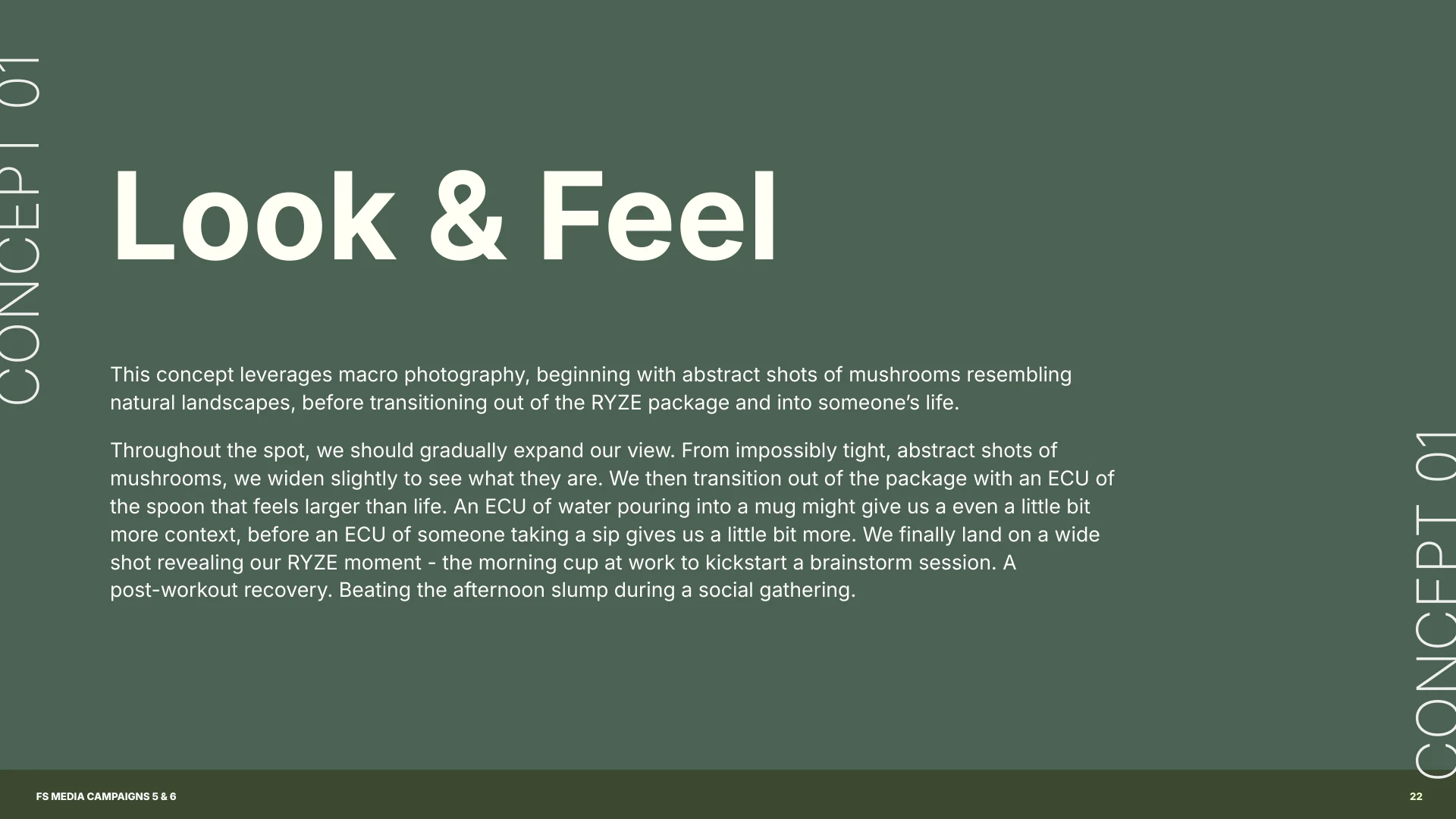
A Whole World treatment. Look and feel page.
Set builds
Environments designed for the camera.
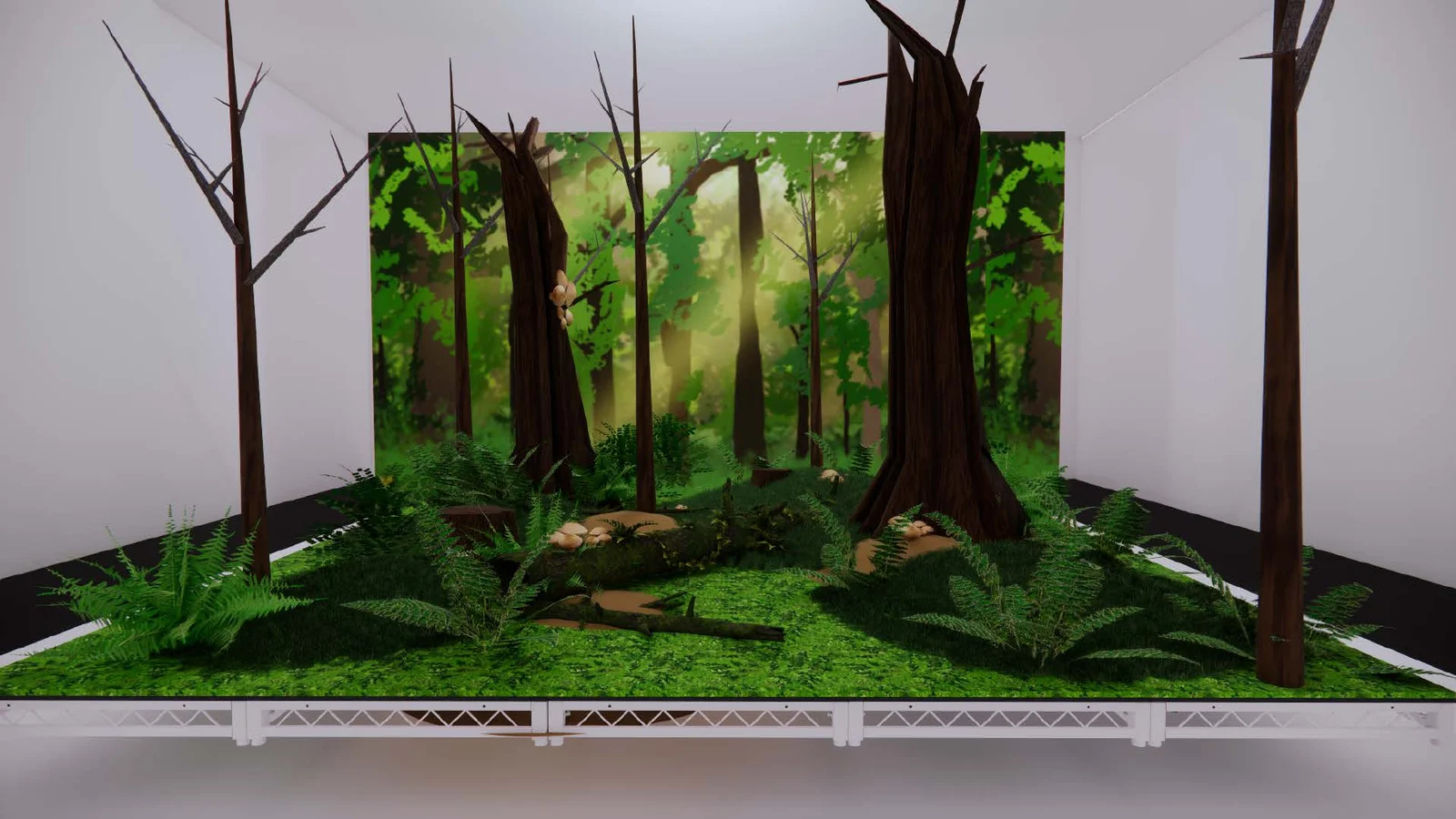
Set design
Pre-production set design: the forest conceived as a controlled studio environment. Design rendering, not a photograph of the completed set.
A practical forest floor.
The art plan for Perfect Conditions relocated the world of the mushrooms to a set that could be controlled. All six varieties had to appear to grow somewhere believable, which meant carefully directed light, dark wood and forest-floor texture built up in layers. Practical rain droplets were part of the brief as well, for use in close-up coverage. With details like these the camera had tactile material to photograph, and focus, scale and the separation of subject from background could all be controlled precisely.
In the original art deck, a raised forest platform is set against a scenic backdrop, and depth comes from ground cover, fallen wood, trunks and mushrooms placed in varied positions. Because the environment was planned in three dimensions, individual camera views could be studied along with the full set before anything was built.
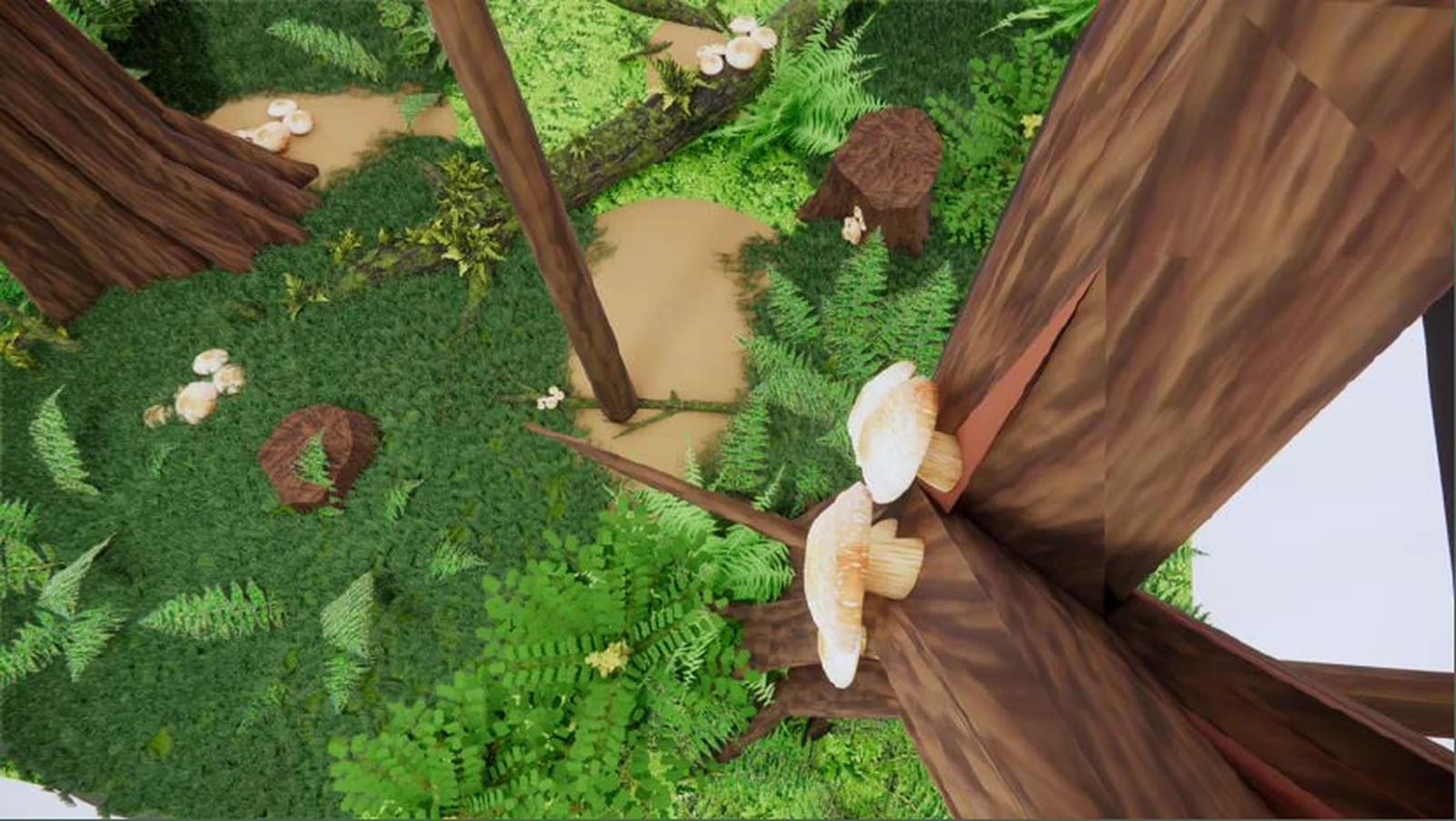
Design study. Arranging the mushroom environments within the forest floor.
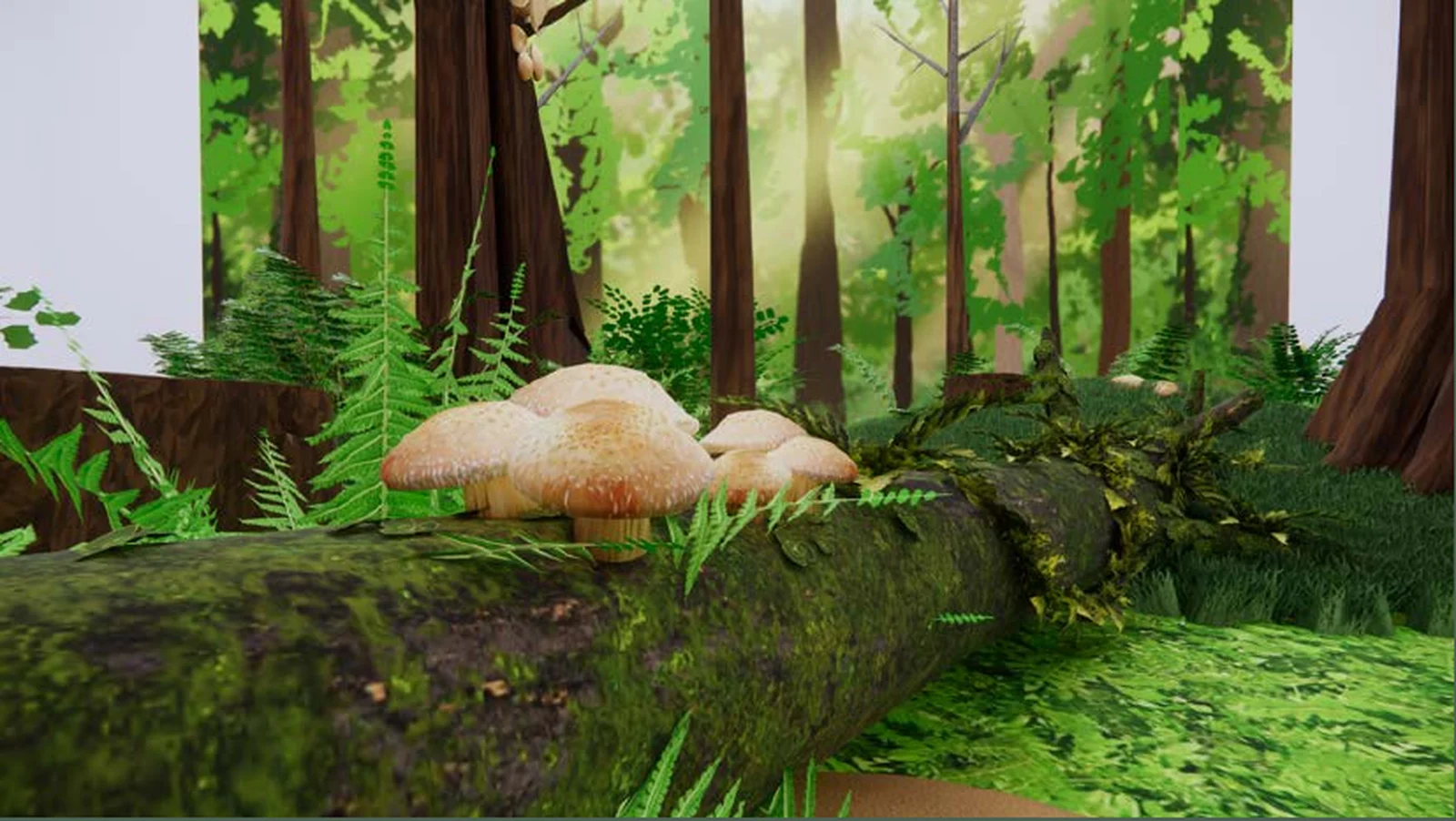
Design study. A low camera view, with foreground texture and a layered background.
From plan to working stage.
During the shoot that plan turned into a stage in daily use. The forest floor sat on a rolling platform, raised off the studio floor with a scenic forest backdrop behind it. Moss, ferns and tree trunks were dressed around each position where a mushroom would grow, and the camera traveled into the set on a telescopic crane. Finding the mushrooms was a job in itself. The food stylist on the production tracked them down across the country and arranged for them to be shipped to the studio.
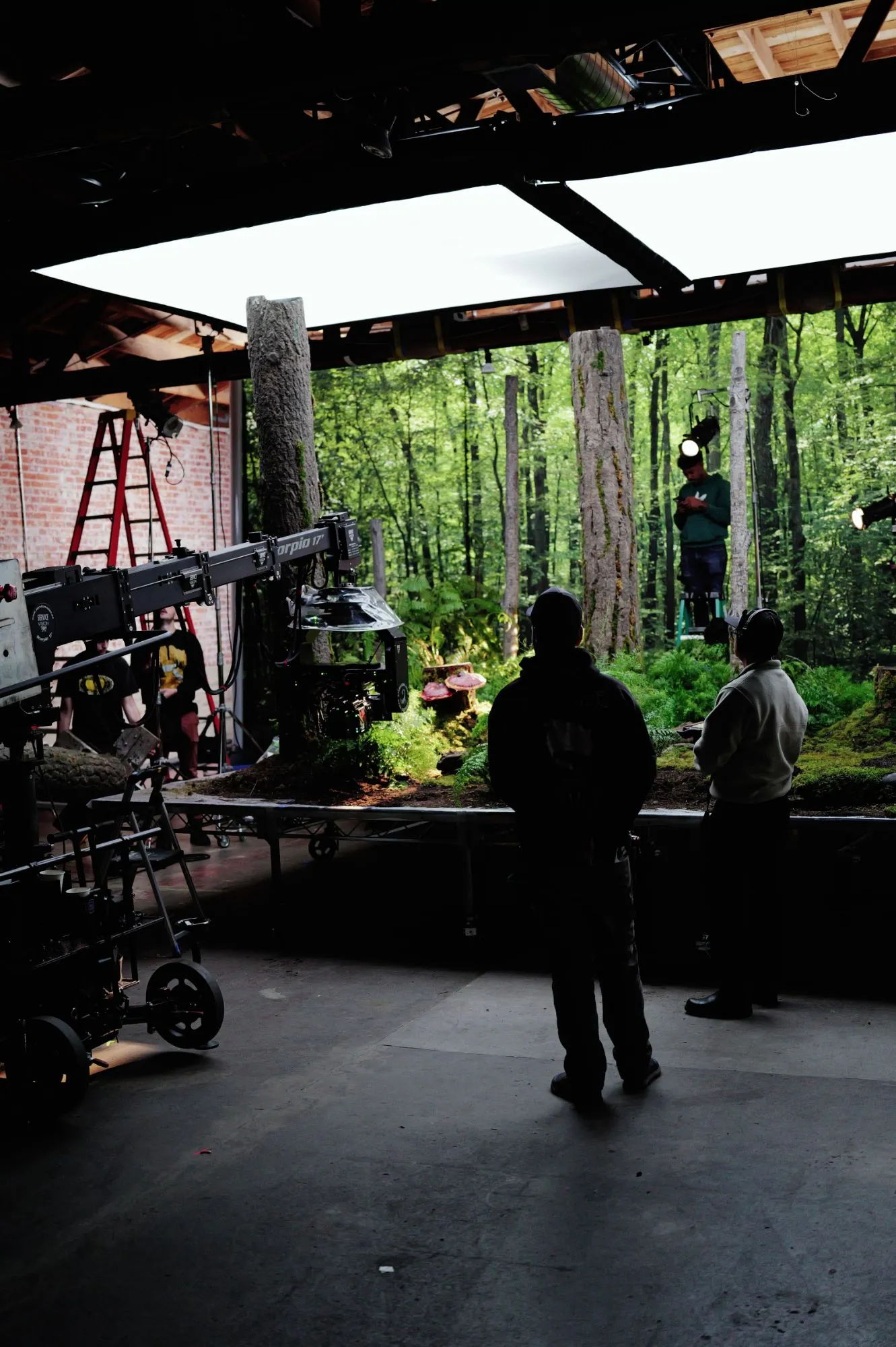
On set. The forest floor on its raised platform under overhead diffusion.
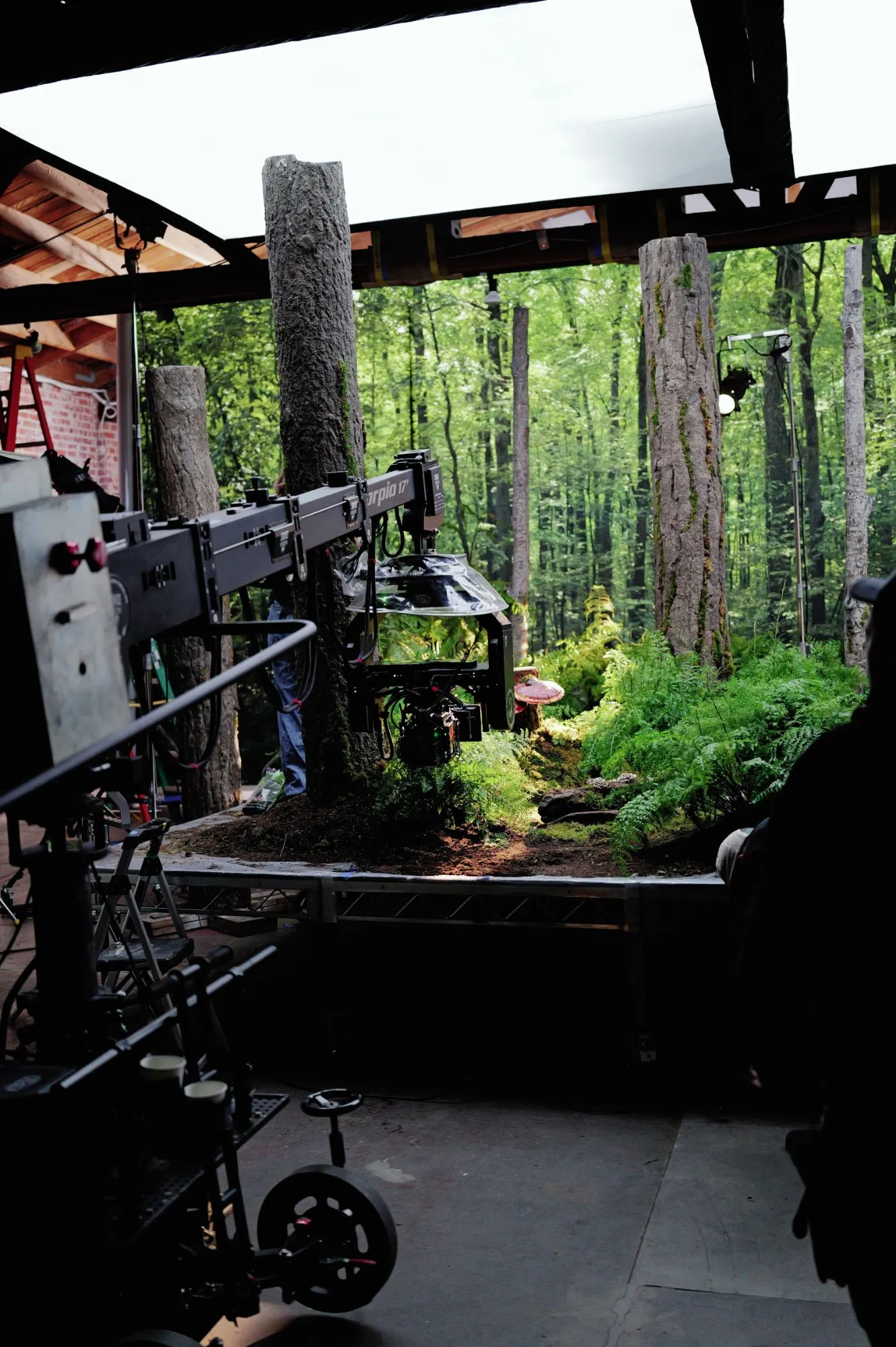
On set. The camera crane reaching in between the trunks.
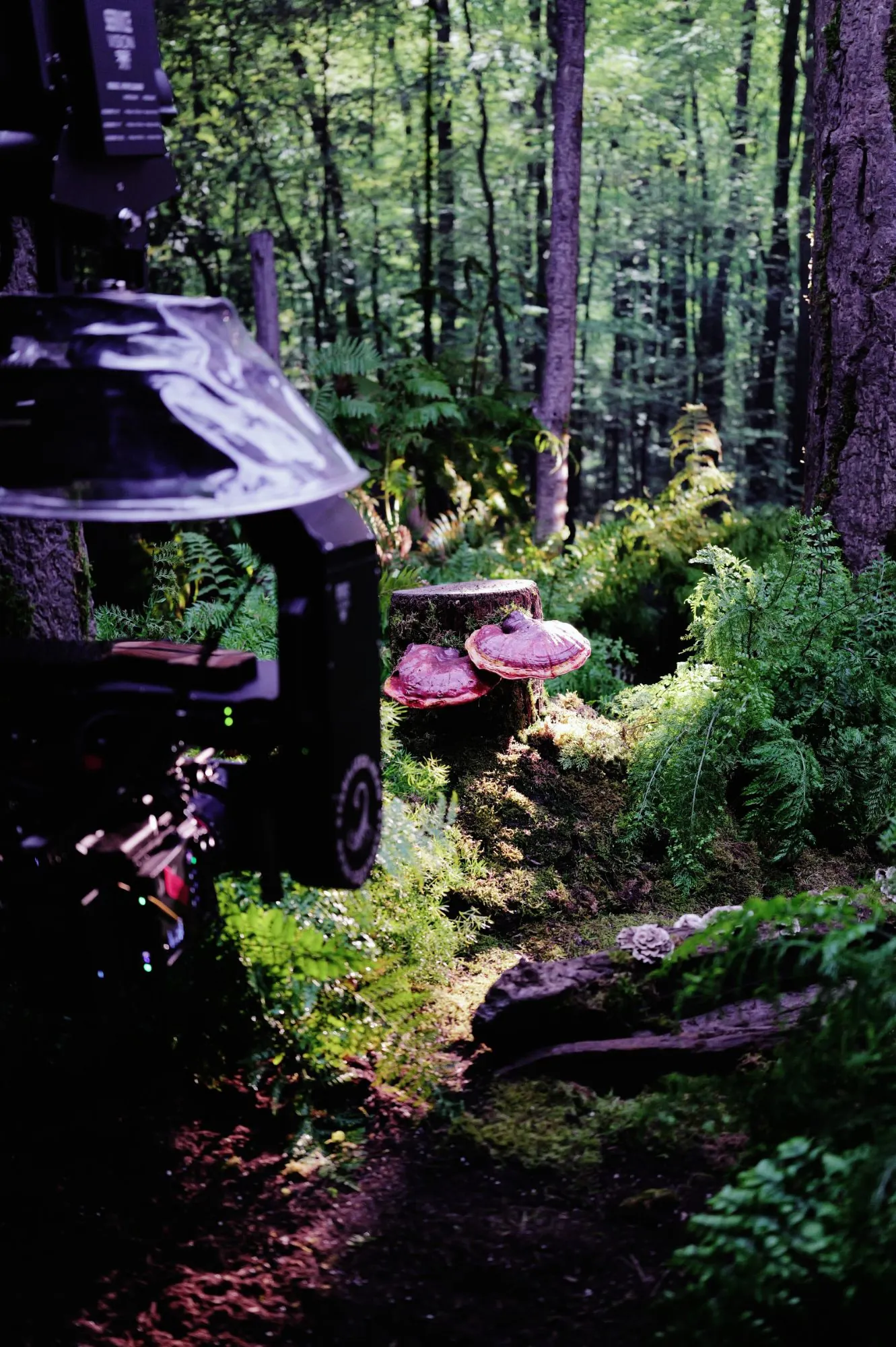
On set. A mushroom position in the forest, seen beside the camera head.
Oversized models and real specimens.
The build strategy for A Whole World was a different one. In the art plan, the gills of a trumpet mushroom became the underside of a piece of architecture, cordyceps became a forest growing over orange moss and lion's mane became a mountainscape. They were conceived as environments for the camera and were never meant as real outdoor locations.
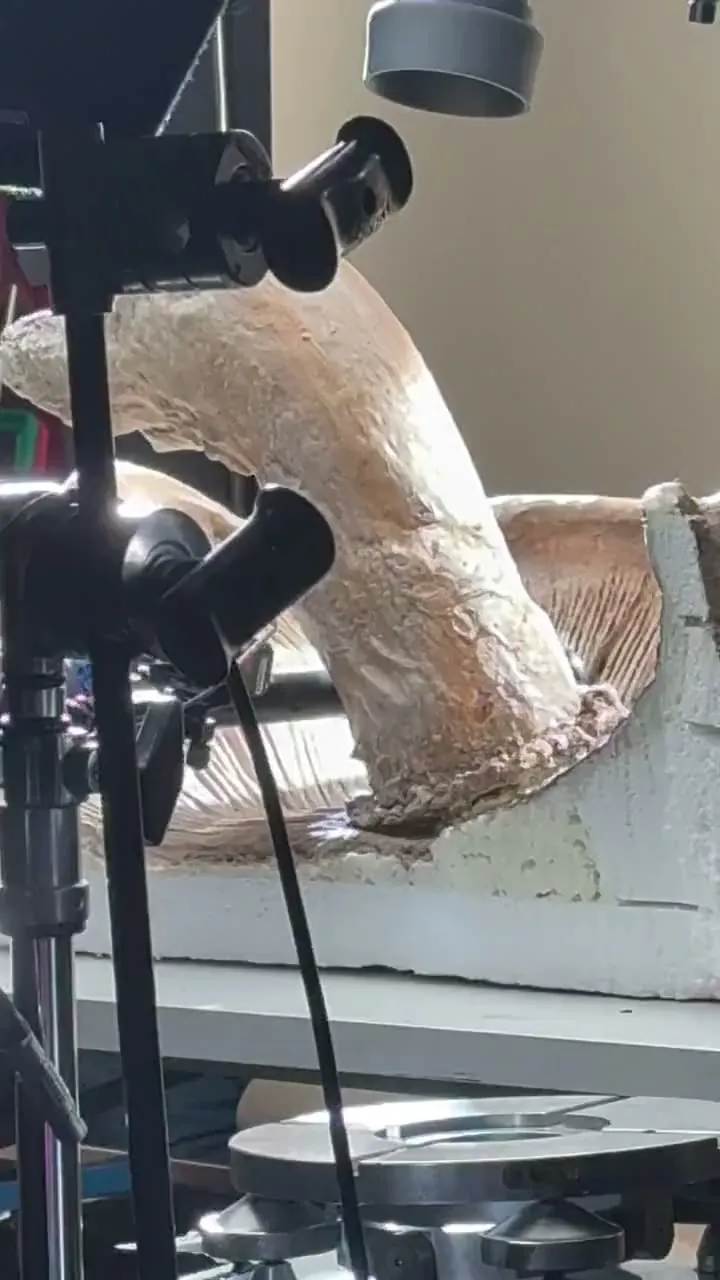
The production built enlarged models of three varieties, turkey tail, reishi and shiitake, and used real specimens for the other three. With miniature and scenic specialists on the team, delicate forms could be examined at a scale that was easier to work with, leaving room for controlled lighting and for the camera to travel. The builds got around what real specimens could not do, and they served the main idea in the pitch, that a small thing can feel like a whole world.
On set
Five days, in the studio and beyond.
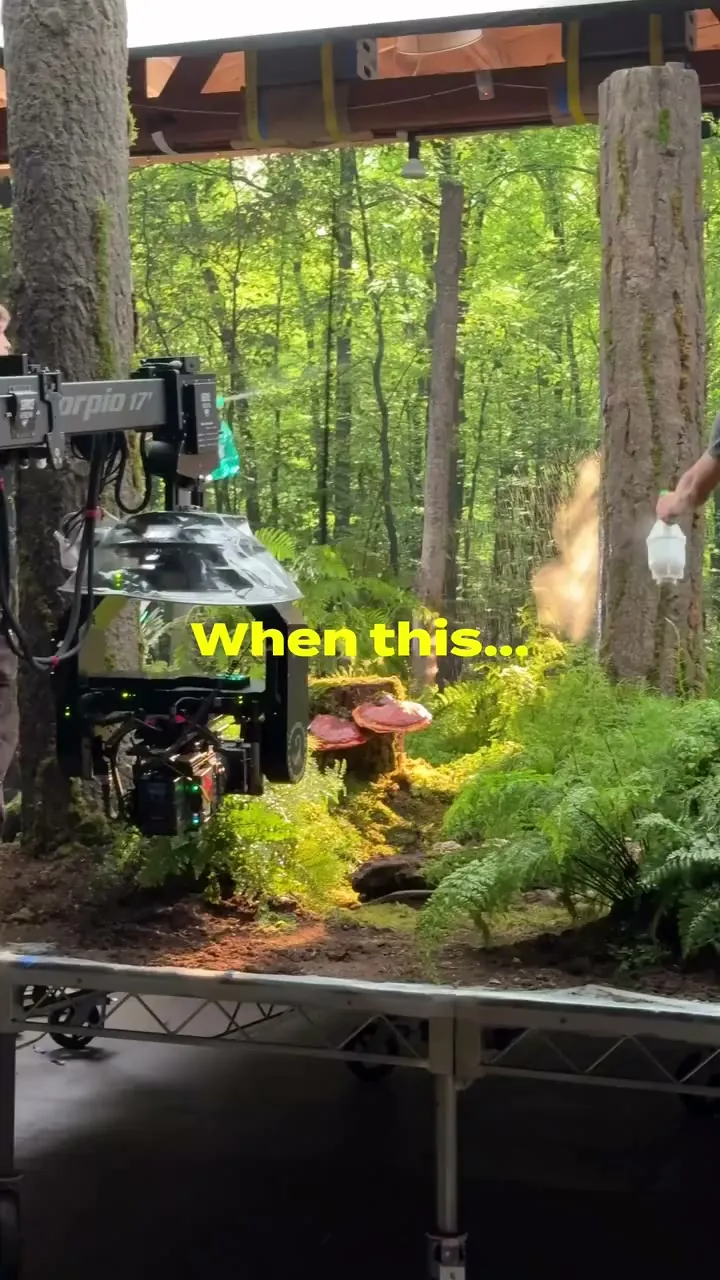
The practical work on both films is recorded in two behind-the-scenes reels. The first stays with the studio-built forest floor of Perfect Conditions. The second tracks one of the enlarged mushroom models made for A Whole World, moving from the tabletop to the camera monitor and on to the macro shots in the finished film.
Production: warm, lived-in spaces
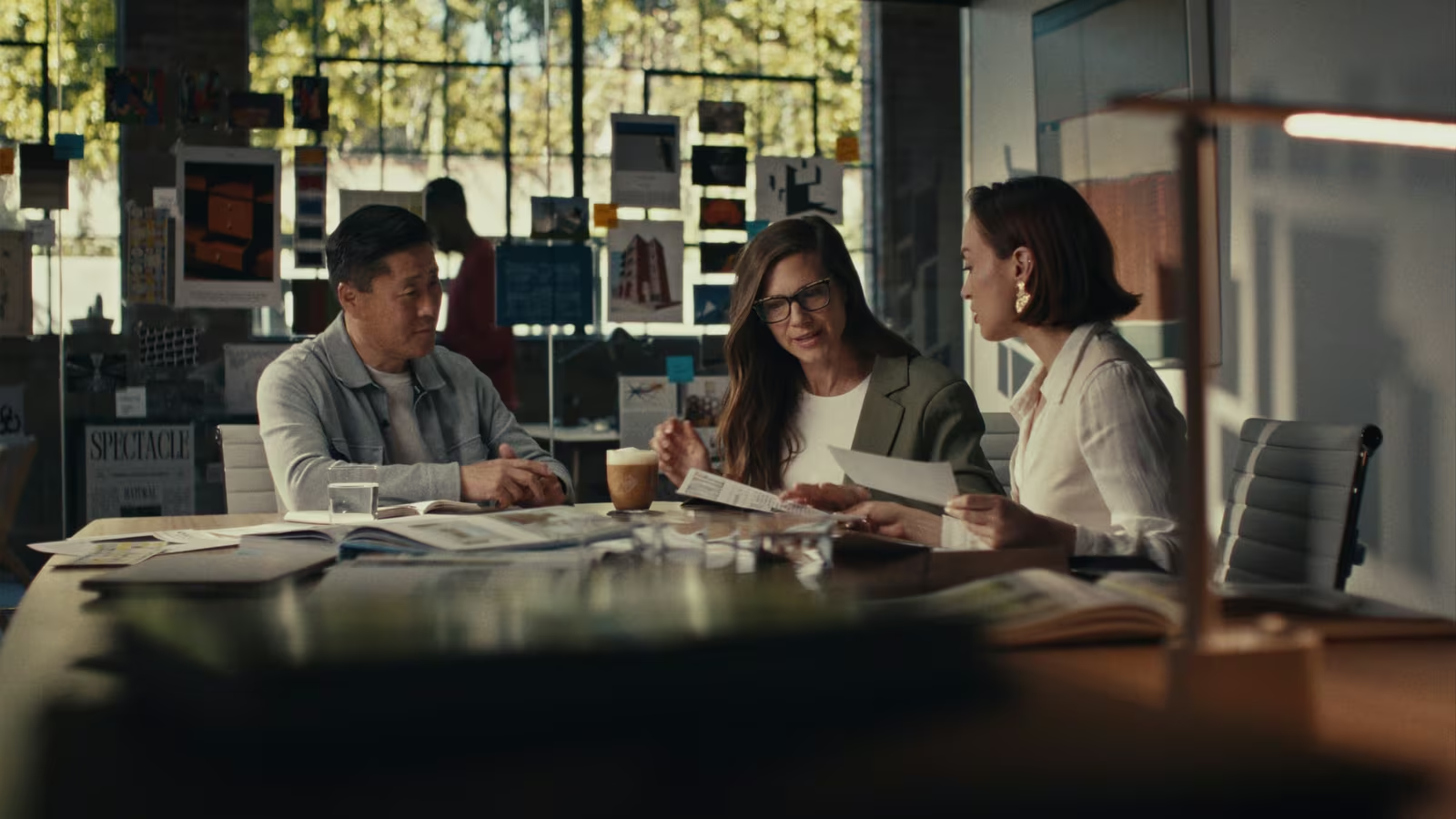
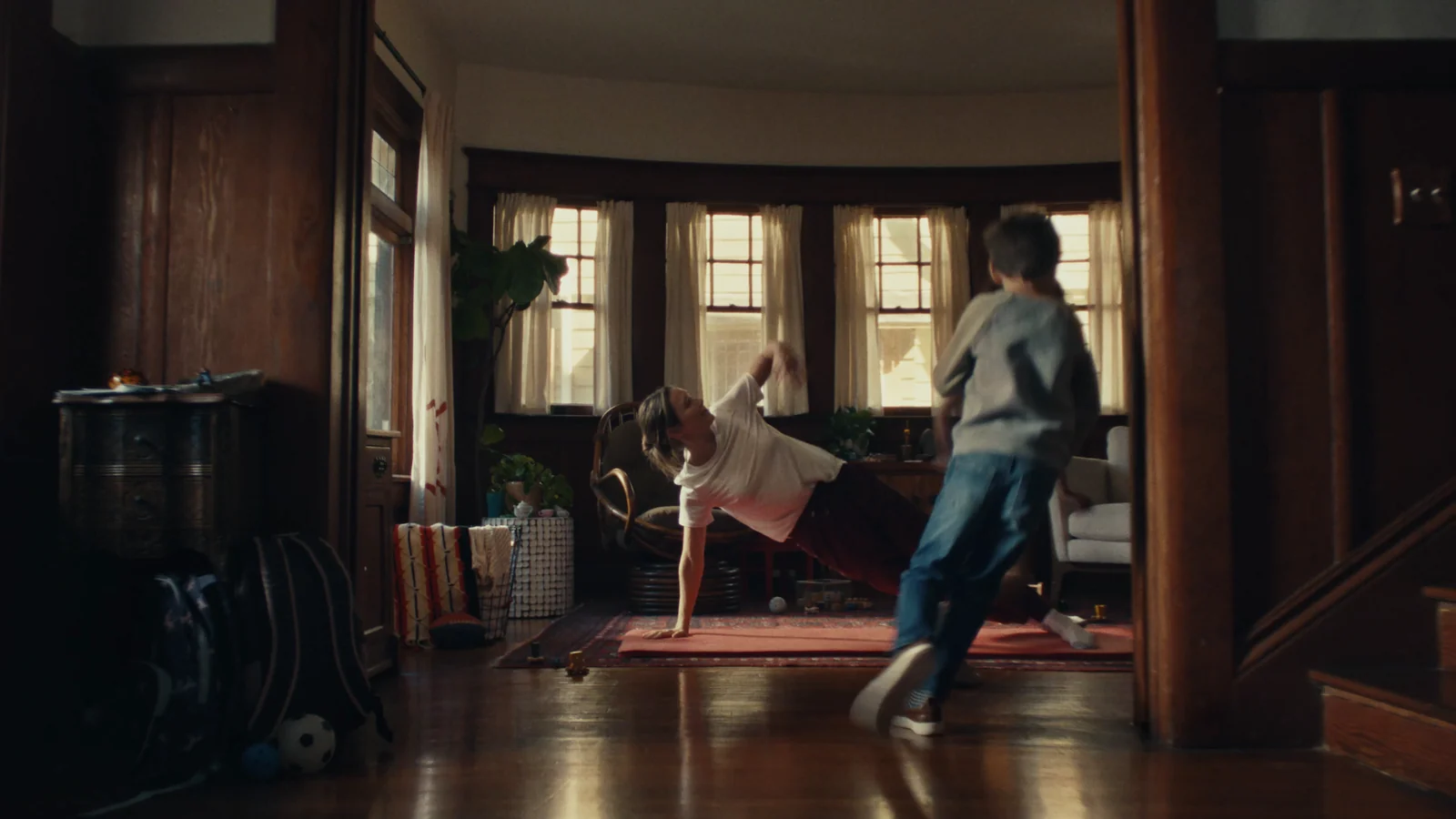
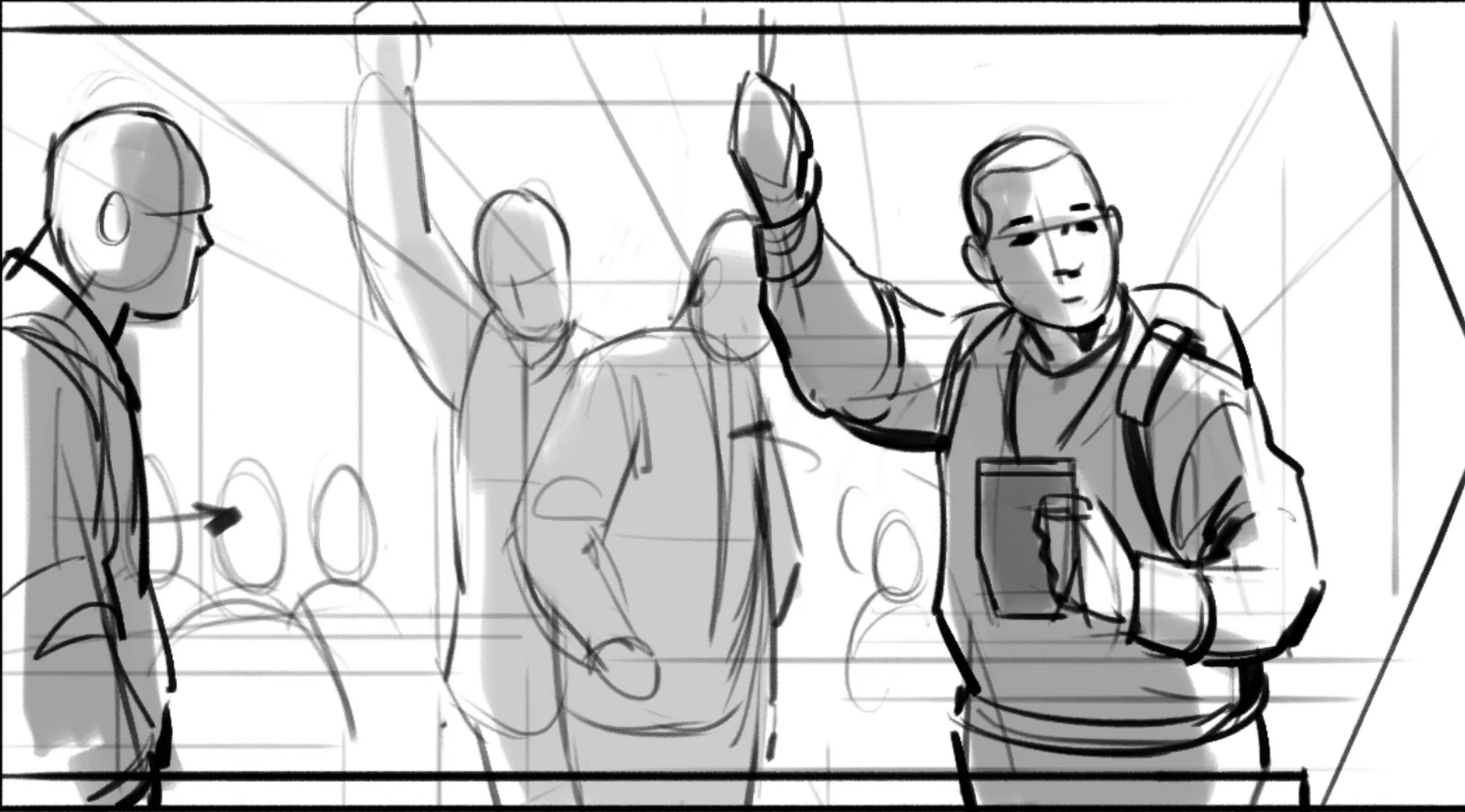
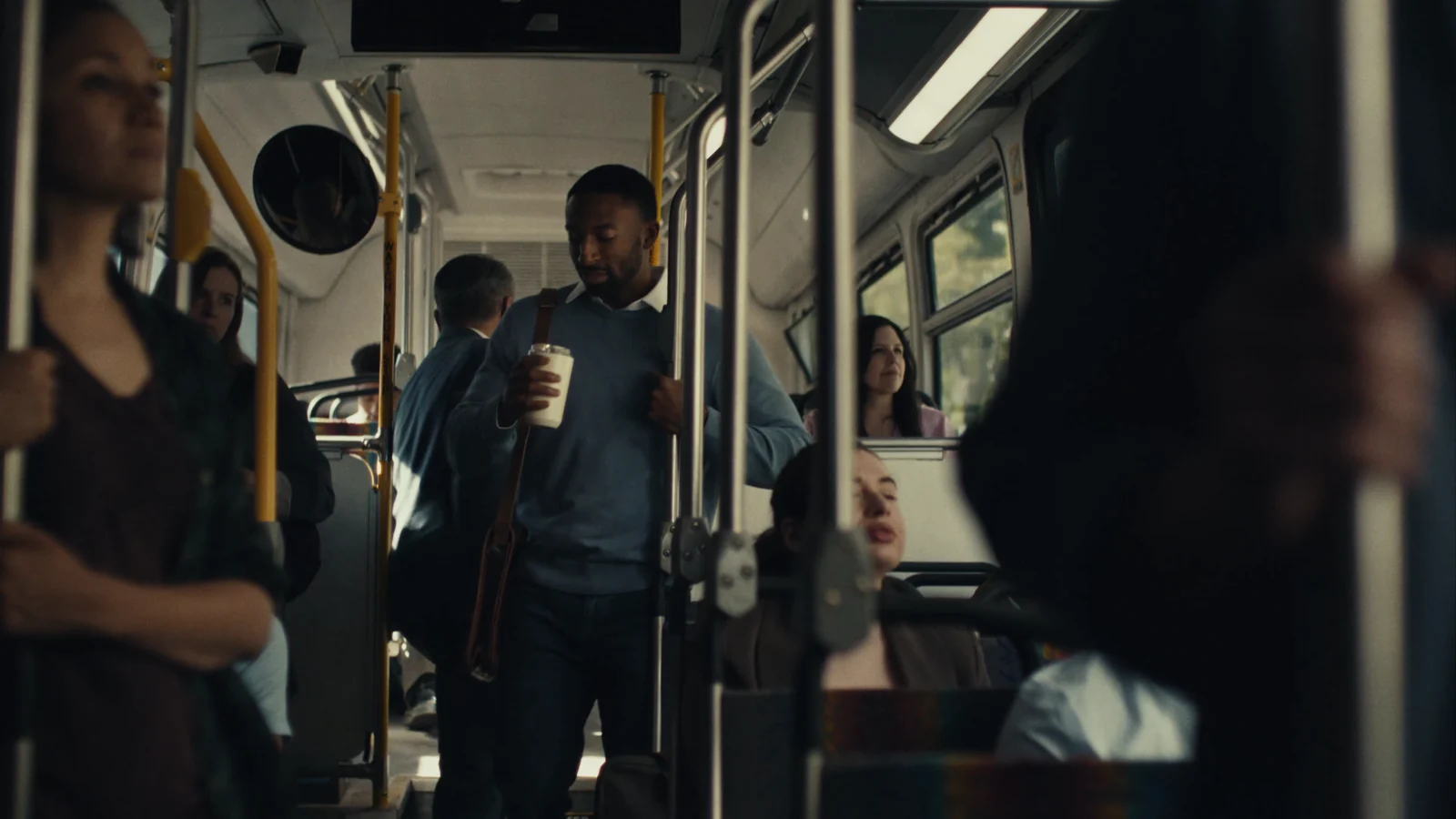
Over five days the production moved between locations and the studio. Immaculate lifestyle sets were avoided for the human scenes, which were planned for spaces that felt warm and lived in: an LA Metro bus, a commuter's kitchen, a stand-up social gathering and a workout in a living room. Performance direction, set dressing and casting all supported moments that viewers would recognize. The more tactile and controlled imagery of the campaign came from the product and ingredient setups.
The second film
A Whole World.
Post-production
Finishing two films as one campaign.
01Visual effects
Refining the model surfaces.
Post-production on A Whole World included VFX cleanup on the practical models of the mushrooms. At macro scale their surfaces needed to read as natural. The work refined the final image and left intact the camera movement and lighting that had been captured during the shoot.
Of the six mushrooms, turkey tail, reishi and shiitake were physical models built at enlarged size. They were intended for brief macro shots with a moving camera, the kind of extreme close-up in which every detail of a surface shows. Nothing practical was replaced in the cleanup. Each shot was established by the camera, the lighting and the build, and post then refined the surfaces of the models until the mushroom landscapes held up in the final film. Only the model shots in A Whole World were treated this way. The forest in Perfect Conditions was a practical set and a separate piece of work.
02Editorial, color and sound
Edit, grade and mix across every version.
Sound, voice-over, color and editorial came together in a finishing workflow built on structured reviews and picture lock. Each campaign was planned as three spots of thirty seconds and three of fifteen, with voice-over by both a male and a female voice and with versions in vertical, square and horizontal formats. The grade was done on the full source frame so that the picture could be reframed and the finish would not be tied to a horizontal crop.
Across all of those versions, final-print preparation, mix reviews and voice-over selects were coordinated, and the client approved the mixes. What comes out is an approach to the campaign in which delivery formats, sound, performance and the world of the ingredients are considered as a whole, the opposite of taking one film and trimming it down later.
Storyboard to screen
The boards behind both films.
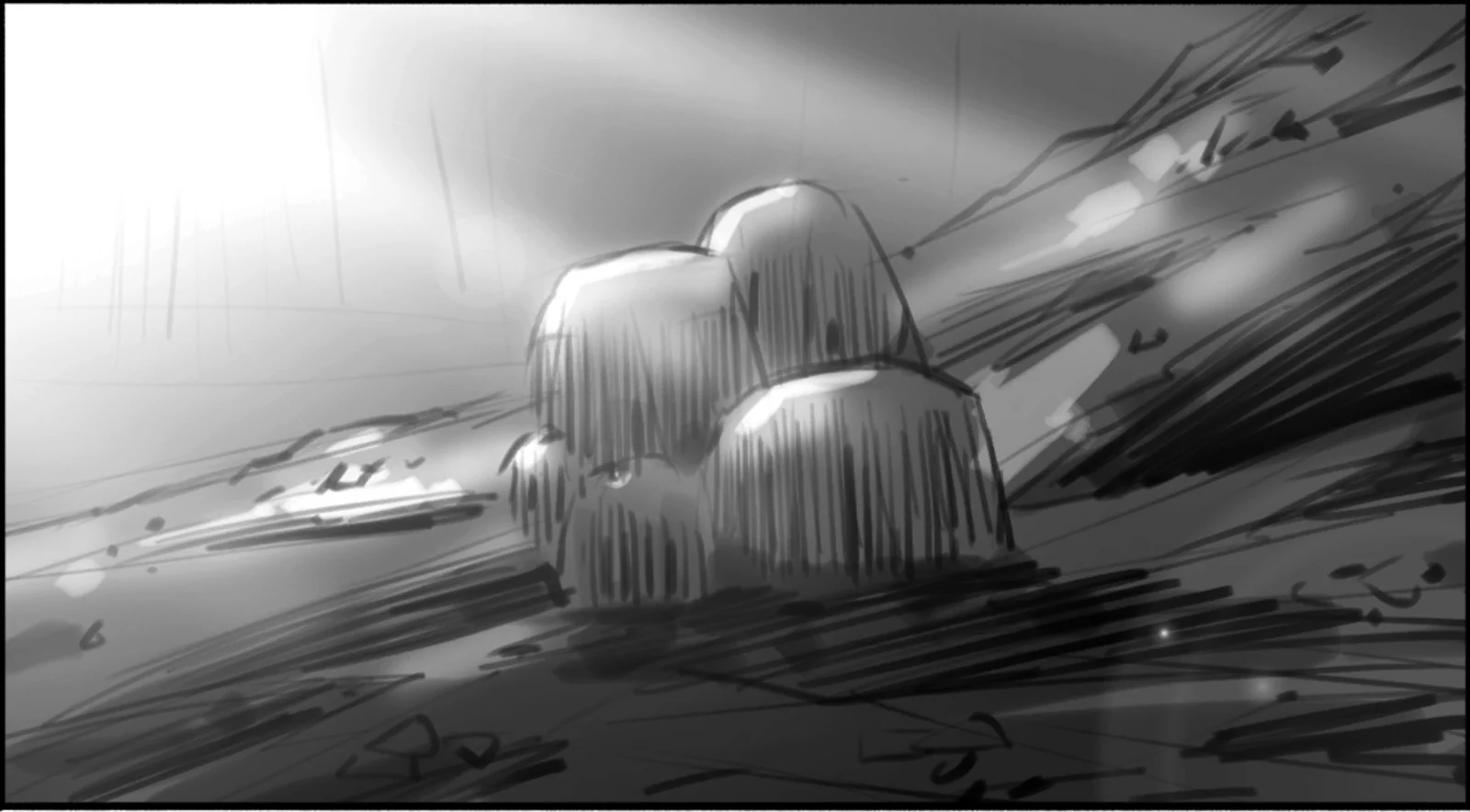
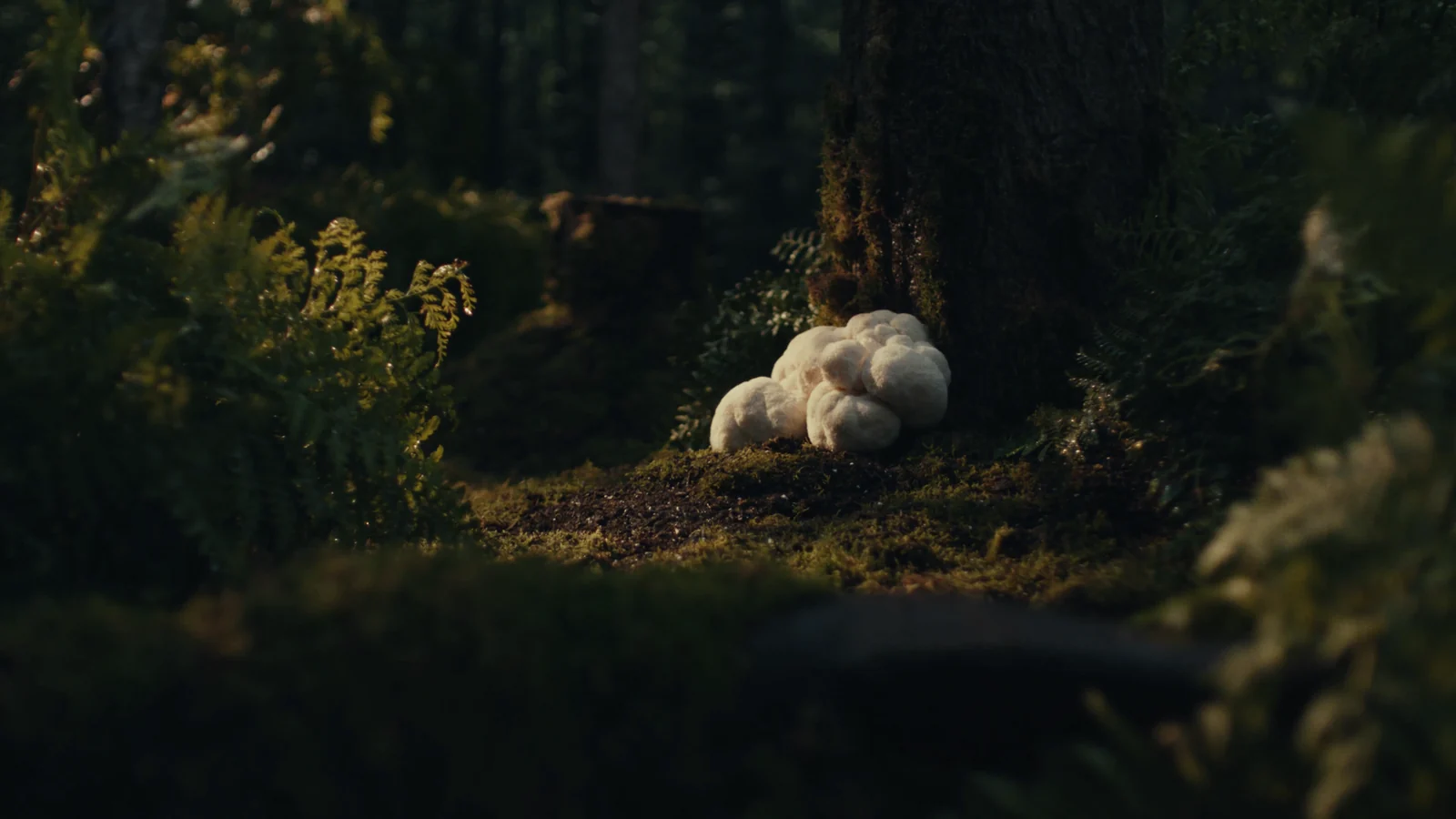
Perfect Conditions: storyboard and film
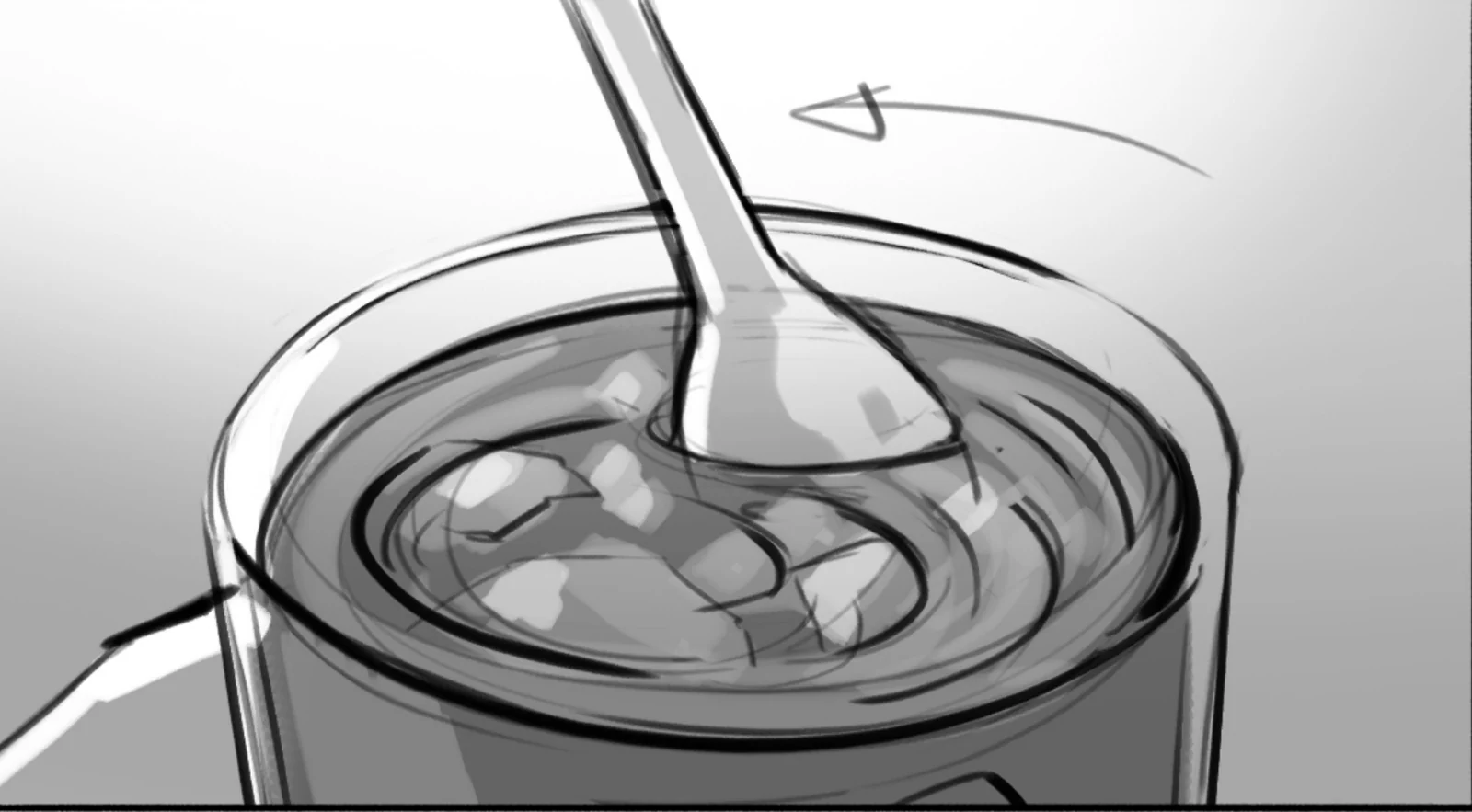
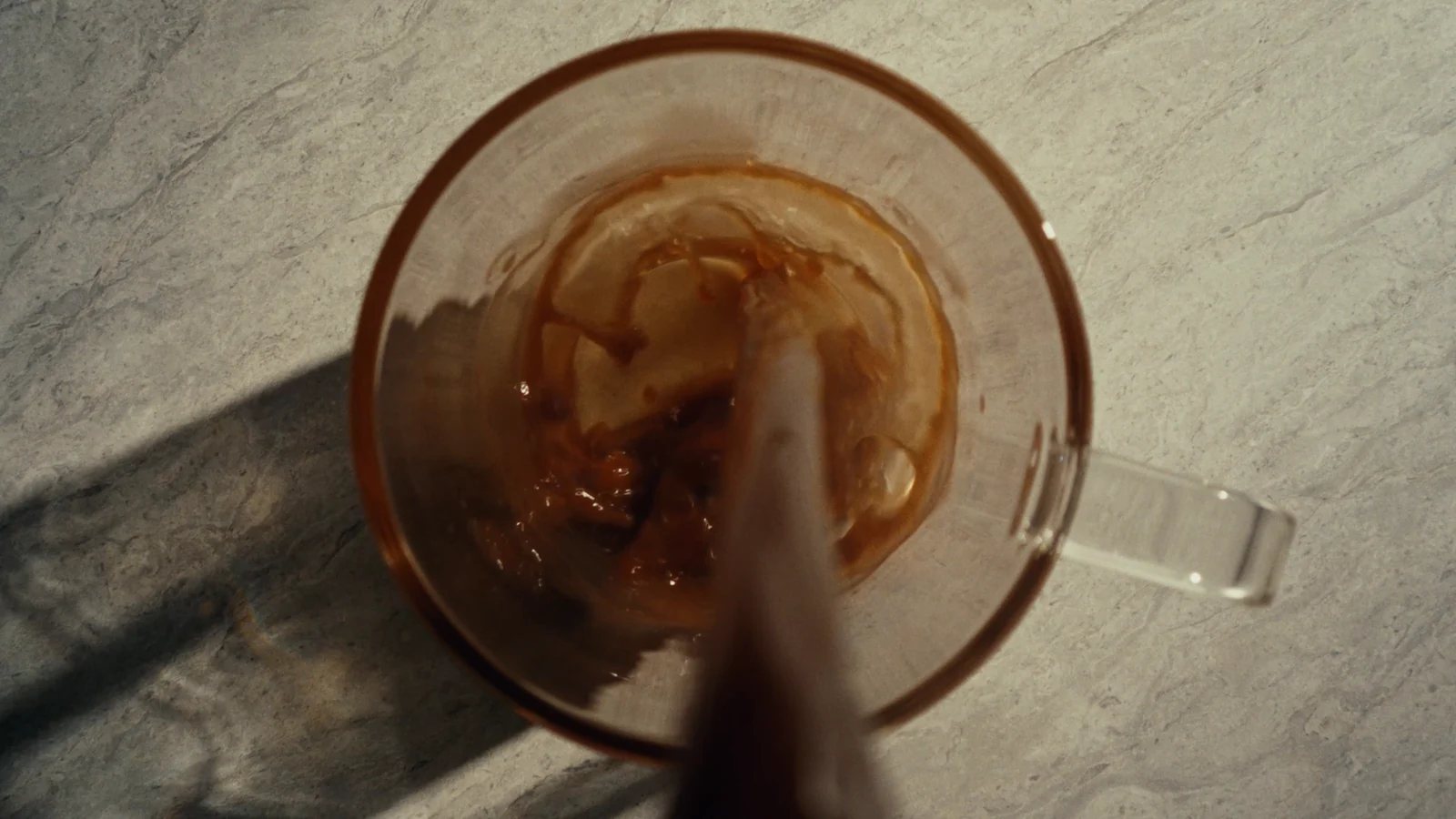
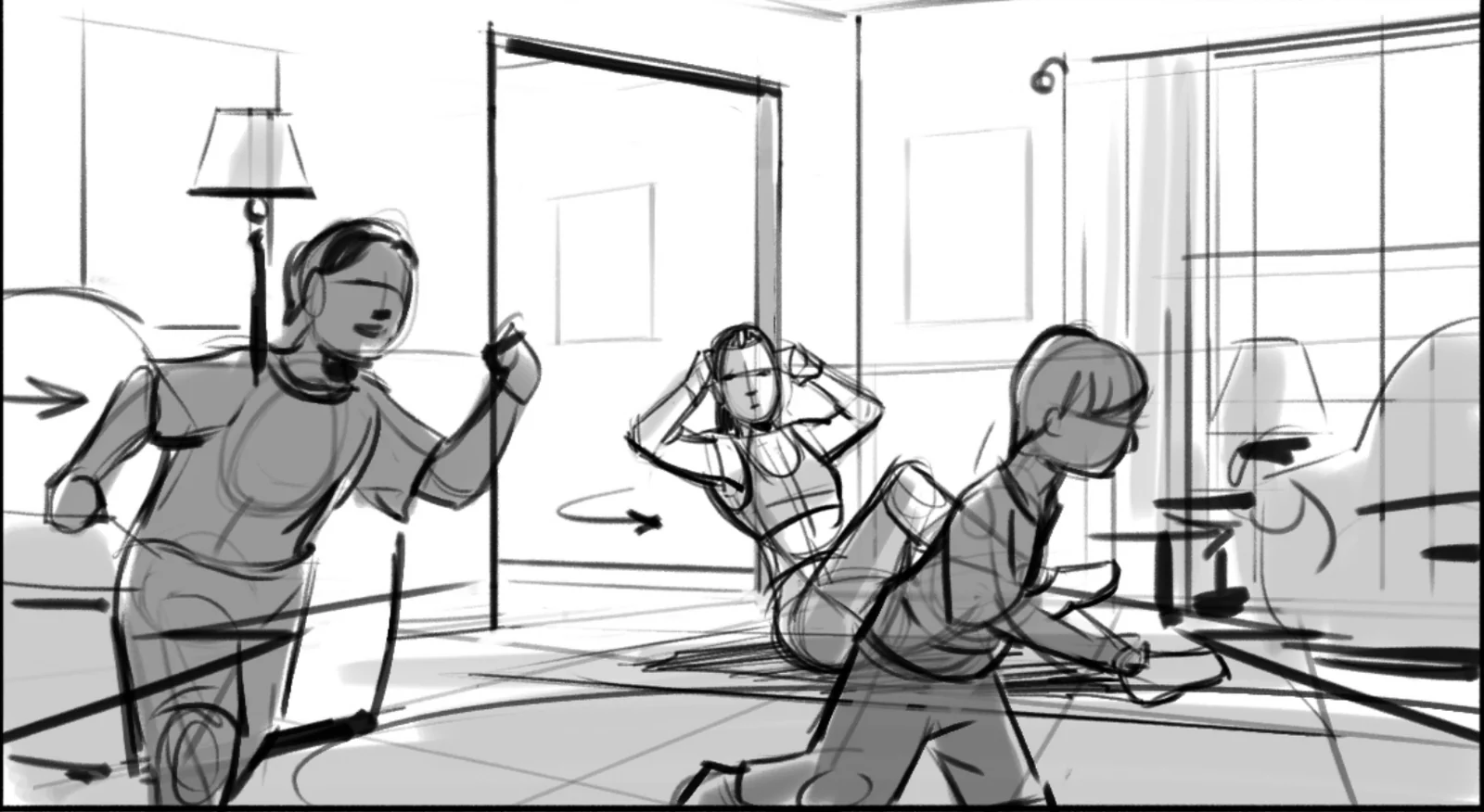
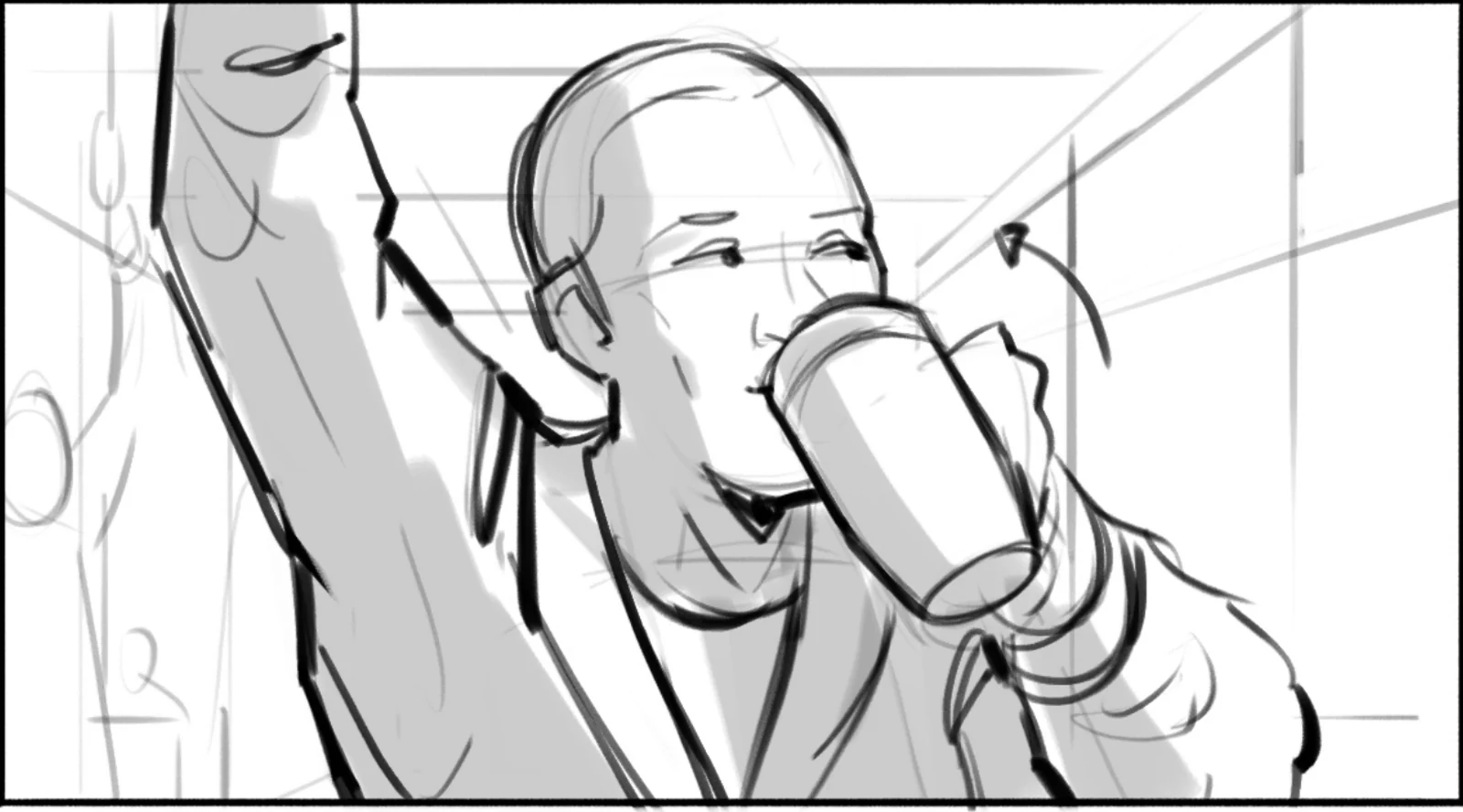
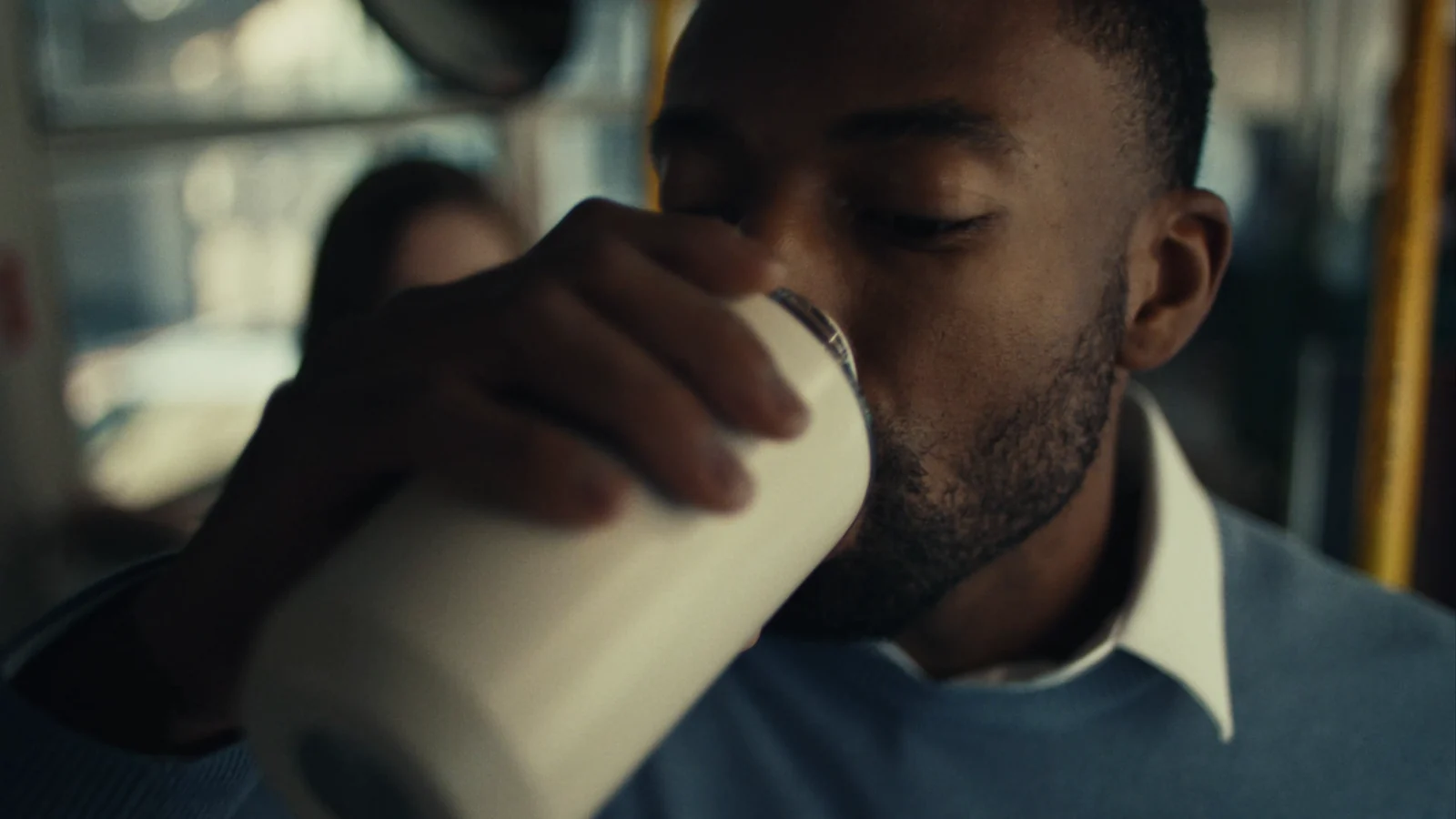
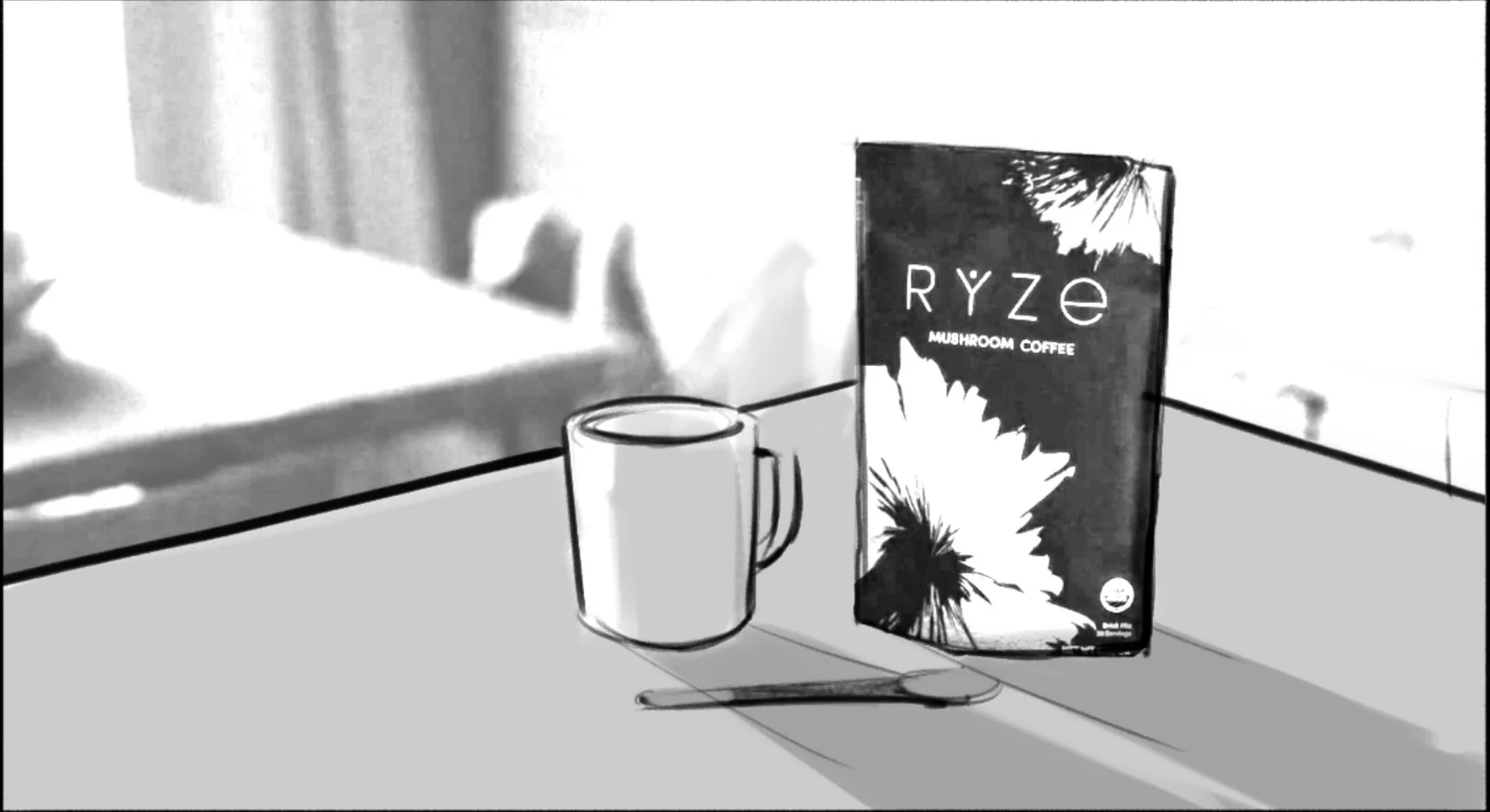
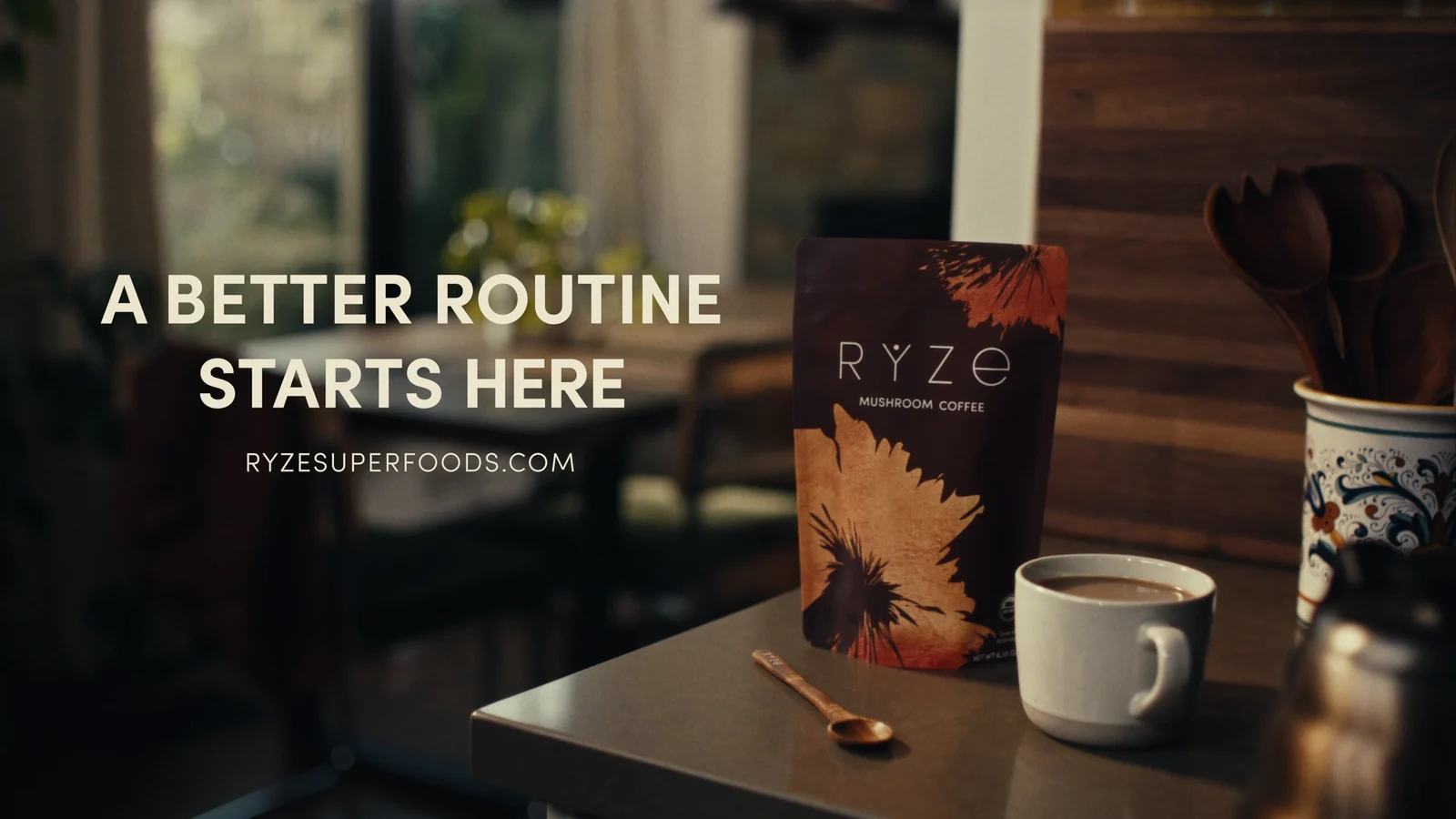
The story was worked out on paper first, from its opening on the forest floor through to the morning routine, and only then taken to the set. Each storyboard panel appears here next to the moment in the finished film that corresponds to it.
Storyboard
Final film
01The forest floor
Storyboard
Final film
02The stir
Storyboard
Final film
03The workout
Storyboard
Final film
04The commute
Storyboard
Final film
05The sip
Storyboard
Final film
06The product
Swipe for all six →
A Whole World: the storyboards
For A Whole World, the revised boards lay out the gradual reveal one panel at a time. Mushroom surfaces appear first, drawn as landscapes. The six mushrooms are then seen together, a spoon lifts out of the bag, steam and water follow, then a sip, and the sequence ends on the wide human moment. They are storyboard drawings in the order planned for them, and they have not been matched to frames of the finished film.

01 Reishi at sunrise, like cliffs seen from orbit
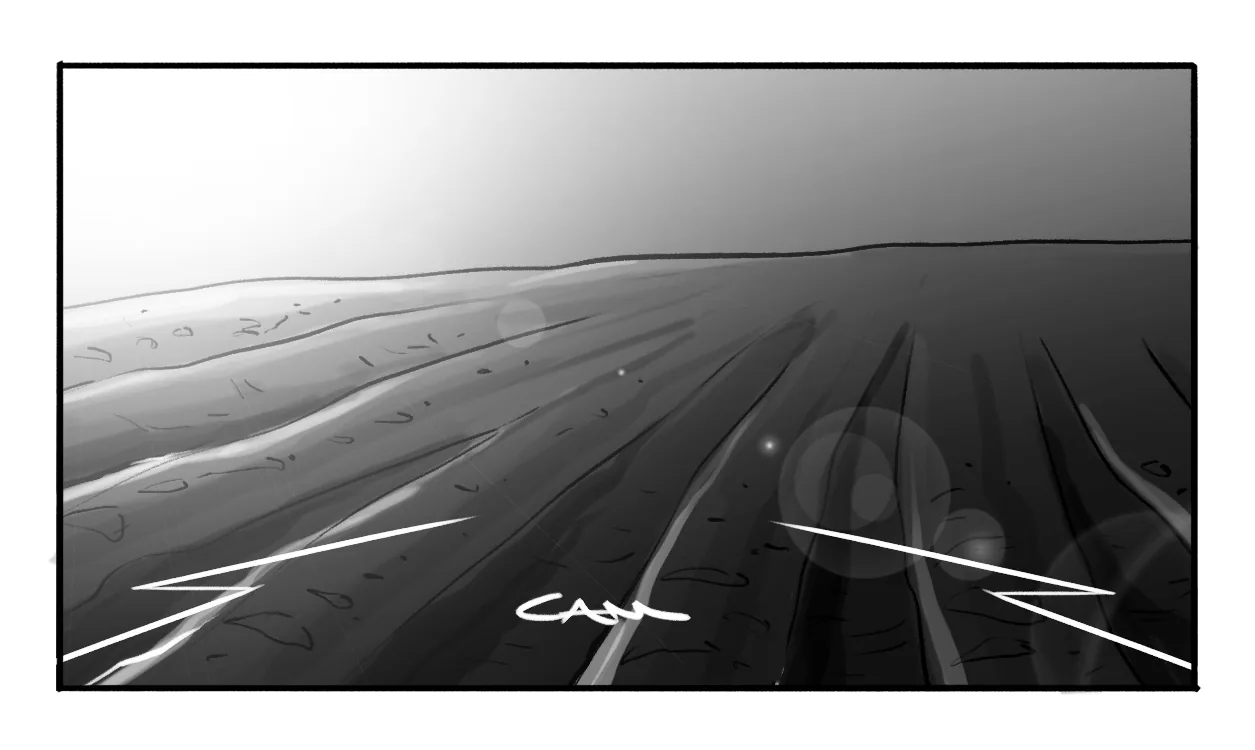
02 Shiitake ridges as a canyon
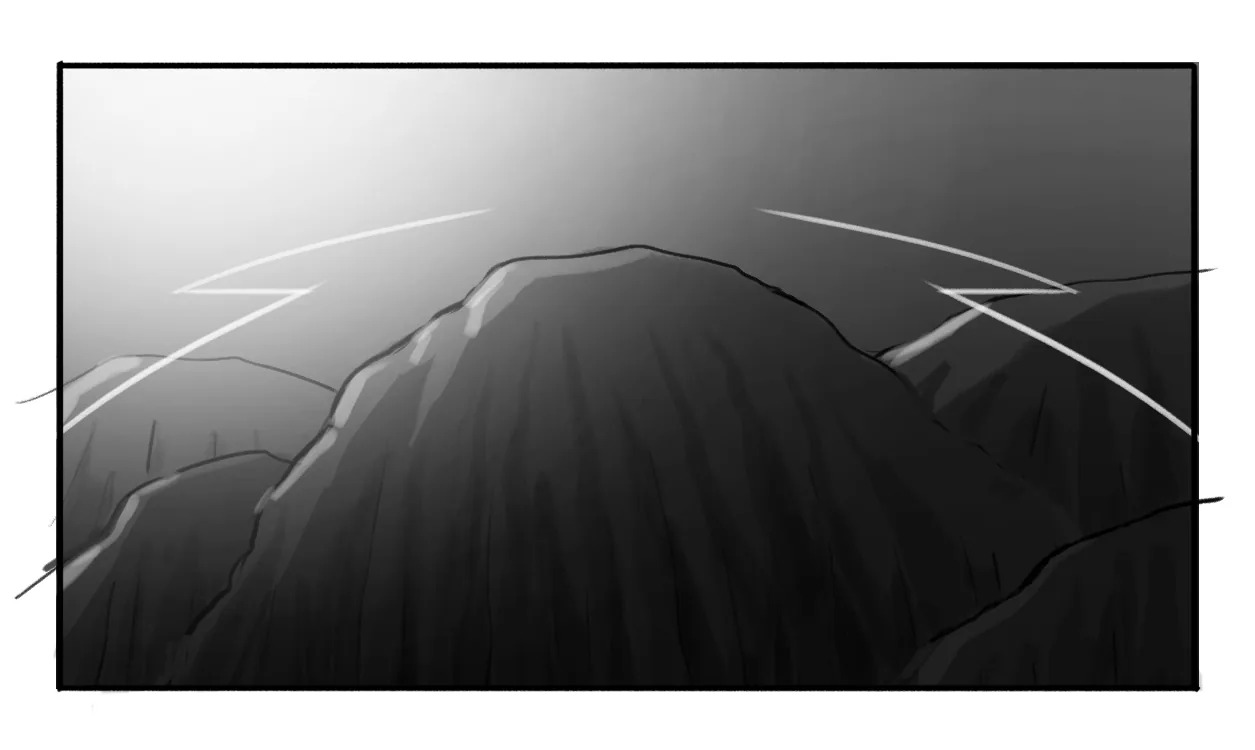
03 Lion's mane as a mountaintop

04 The six mushrooms together
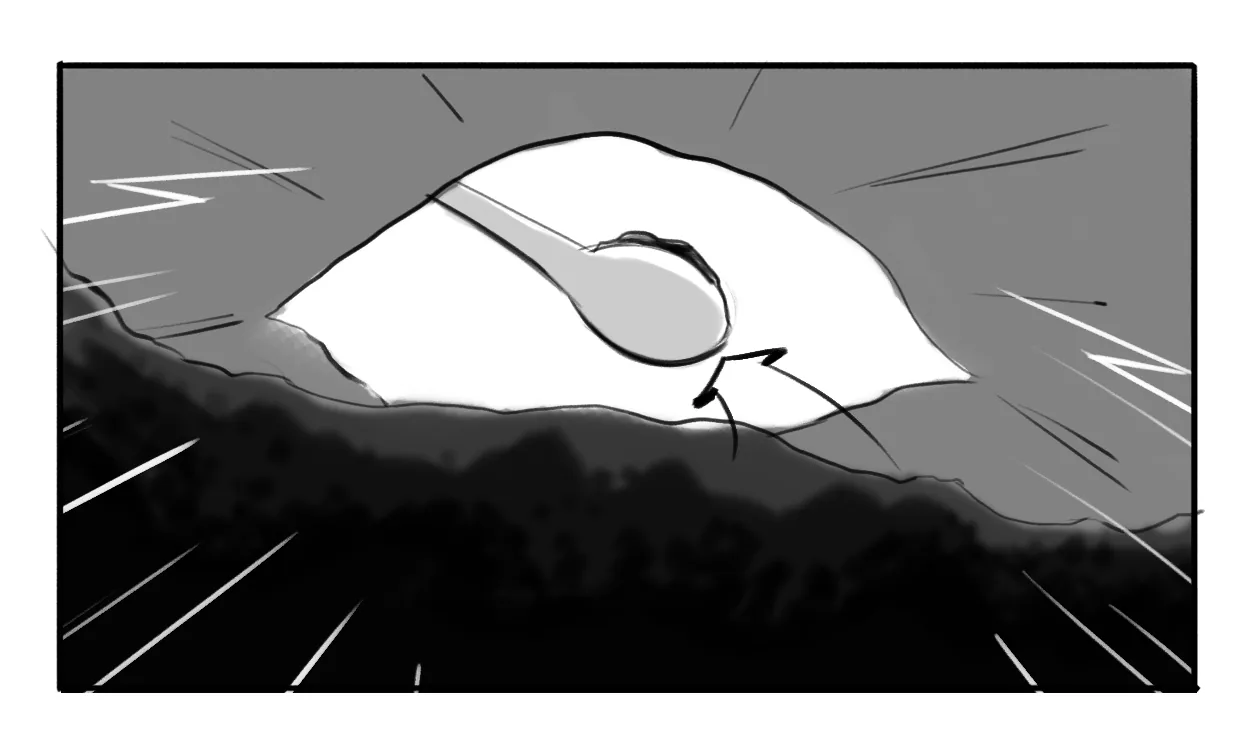
05 A spoon emerges from the bag
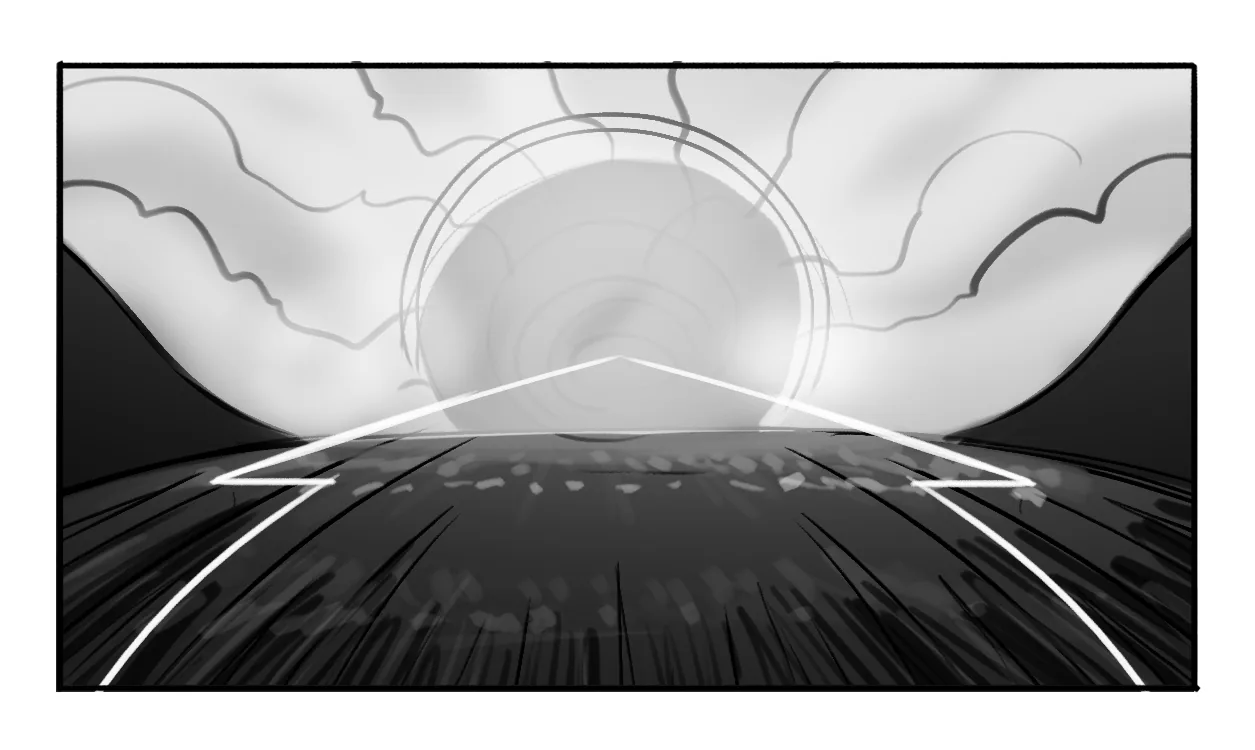
06 Water and steam
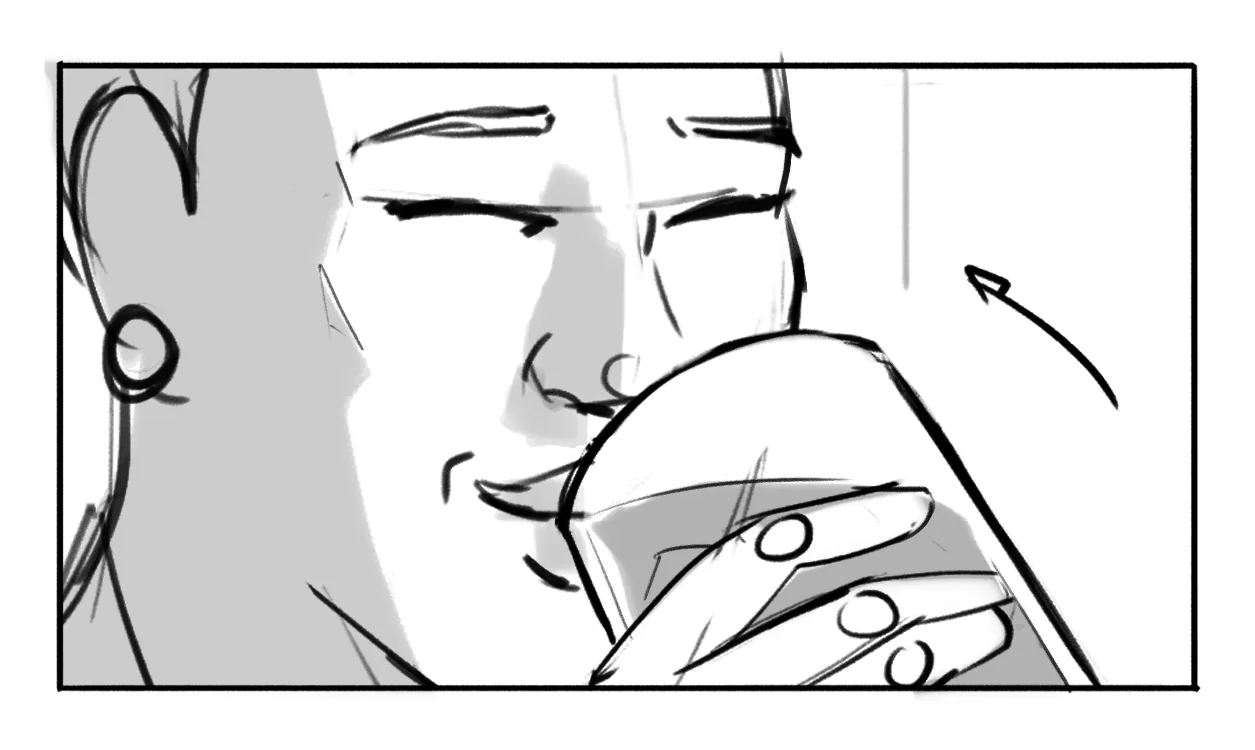
07 The first sip
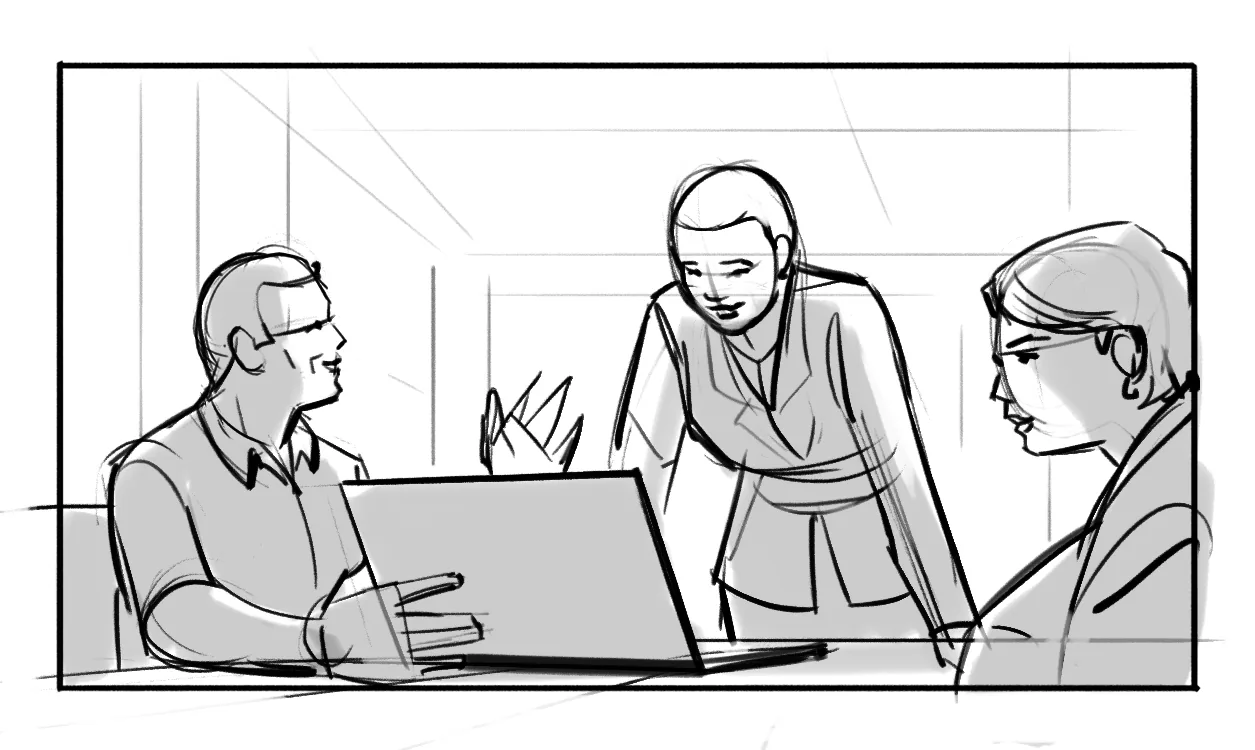
08 Out wide to the brainstorm
Next case study
Habit & Co.

Let's build your next campaign together.
Tell us about your next campaign or idea. We will get back to you within one business day.
Or email contact@fsmediahouse.com